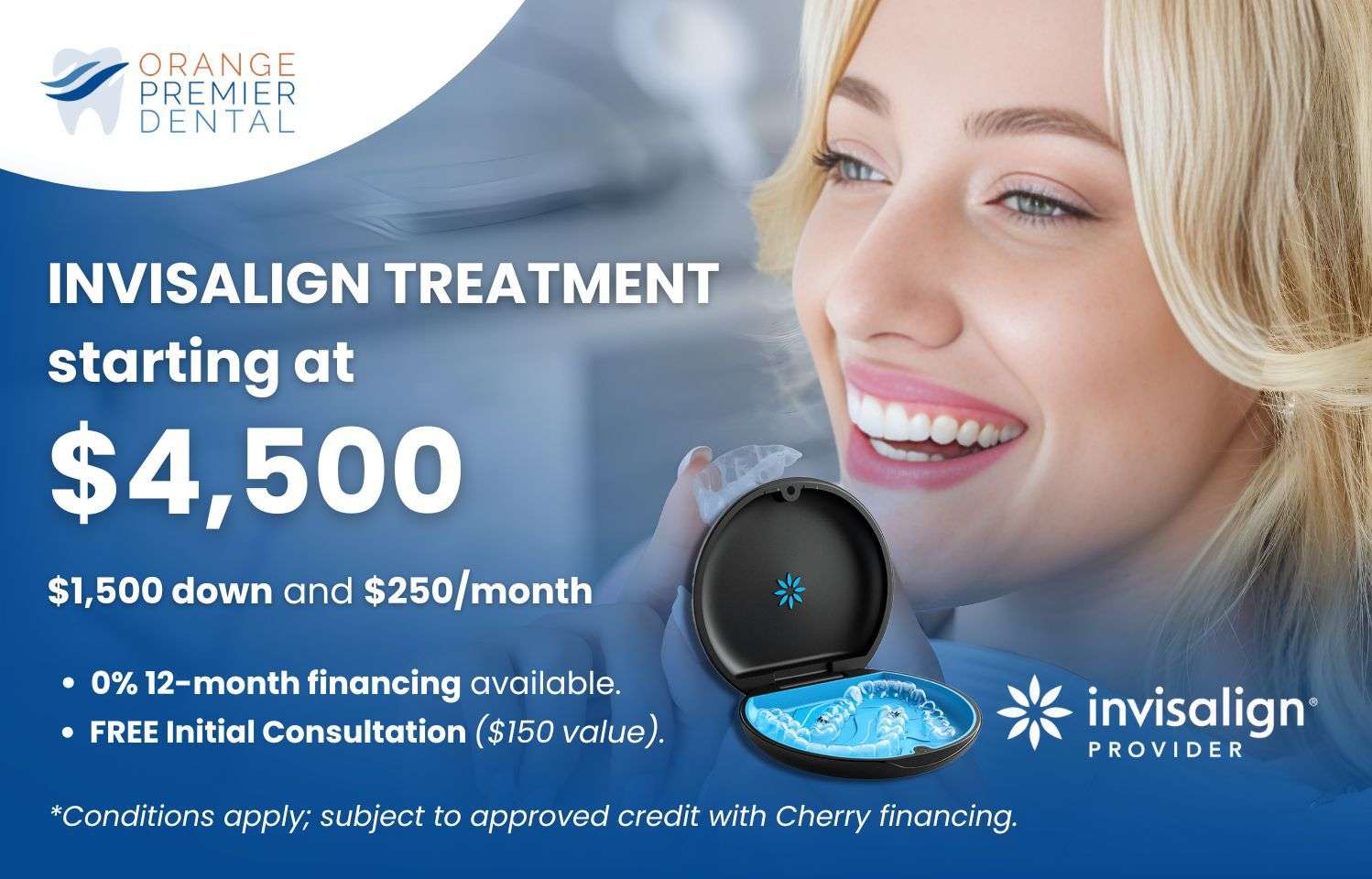
You can find quality, affordable dental care in Orange, CA without sacrificing comfort or modern treatment options. Many local clinics, community programs, and flexible payment plans make routine checkups, basic restorations, and preventive care accessible so you can protect your smile without breaking the bank.
They walk through what makes care affordable, which low-cost treatments deliver the most value, and where community resources can stretch your budget. You’ll learn how to evaluate dentists for cost and comfort, explore insurance and payment solutions, and see why prevention often saves the most money over time.
What Makes Dental Care Affordable
Affordable dental care depends on clear pricing, available payment options, and preventive services that reduce future costs. Patients benefit when clinics offer transparent estimates, sliding-scale fees, and practical ways to avoid expensive treatments.
Understanding Dental Costs
Dental costs include fixed and variable components that affect what a patient pays at each visit. Fixed costs cover overhead like rent, equipment, and staff salaries; variable costs include materials (composite resin, crowns, implants), lab fees, and the clinician’s time for a specific procedure. Insurance typically covers preventive care more fully than restorative work, so copays and deductibles matter.
Patients should request an itemized estimate before treatment. That estimate shows unit costs (exam, X-ray, cleaning), lab fees, and facility surcharges. Knowing which services require multiple visits—such as crowns or root canals—helps predict total outlay. Clinics that publish fee ranges or offer bundled pricing for common treatments make comparisons easier.
Factors Influencing Treatment Prices
Material choice and technology drive much of the price variation between practices. For example, a porcelain crown fabricated in a local lab costs less than a same-day CAD/CAM zirconia crown, but the zirconia may last longer and require fewer follow-ups. Specialist fees (endodontists, periodontists, oral surgeons) are higher due to training and equipment.
Geographic location and clinic scale also matter; practices in high-rent areas like central Orange County often charge more. Preventive history affects cost estimates—patients with advanced decay need more extensive work. Clinic policies on anesthesia, sedation, and infection control add predictable expenses. Finally, insurance reimbursements and network contracts can reduce patient share for in-network services.
Tips to Manage Dental Expenses
Start with preventive care: regular cleanings and fluoride treatments lower the chance of costly procedures later. Compare written estimates from two clinics for any major work and ask about alternative materials or staged treatment plans to spread costs.
Use these practical options:
- Insurance: Verify in-network providers and pre-authorize major procedures.
- Payment plans: Ask about 0% interest plans or in-house financing.
- Sliding-scale clinics: Look for community health centers in Orange with income-based fees.
- Dental schools: Consider supervised student clinics for lower-cost complex treatments.
Patients should request written treatment plans that list each appointment, cost, and expected lifespan of restorations. That clarity reduces surprises and helps prioritize care based on budget and oral health goals.
Popular Low-Cost Treatments
Affordable options in Orange, CA focus on preventive care, simple restorations, and cosmetic fixes that deliver noticeable results without high costs. Many clinics and community programs offer sliding-scale fees, bundled cleanings, or financing to make these services more accessible.
Preventive Services and Cleanings
Regular cleanings and exams prevent problems before they get expensive. A typical prophylaxis visit includes tartar removal, plaque polishing, oral cancer screening, and a basic exam; community clinics often charge $40–$90, while private practices with discounts might range $80–$150.
Insurance and discount plans usually cover two cleanings per year; Medicaid covers preventive care for children and limited adult services depending on the plan. Dental hygienists perform the cleaning; dentists evaluate X-rays and treatment needs. Ask about bundled visits that combine exam + cleaning + X-rays for a lower total price.
Many practices offer fluoride varnish and sealants at low cost for teens and adults at risk of decay. These add-ons take minutes and substantially reduce future restorative needs. Patients should bring recent records and ask about income-based sliding scales or monthly membership plans.
Basic Fillings and Restorations
Small cavities and minor enamel damage get fixed quickly with composite (tooth-colored) fillings that blend with natural teeth. Typical fees in low-cost clinics run $80–$200 per surface for composites; amalgam may be cheaper but is less common due to aesthetics.
Dentists evaluate decay with bitewing X-rays and remove only diseased tissue before restoring the tooth. Local anesthesia is standard for comfort and usually included in the quoted price. For multiple fillings, clinics sometimes offer package pricing or reduced rates during community days.
When decay is extensive, alternatives such as temporary restorations or referrals to dental schools can lower costs. Dental schools and nonprofit clinics often provide high-quality restorative care at a fraction of private practice prices, though appointments may take longer.
Teeth Whitening on a Budget
Budget whitening options include in-office express treatments, take-home bleaching trays, and professional-strength over-the-counter kits sold through the clinic. Express in-office sessions using hydrogen peroxide gels can cost $150–$250 at discounted clinics; take-home trays typically range $100–$200.
Over-the-counter strips or gels cost less but offer uneven results compared with custom trays. A dentist can assess enamel health, recommend safe whitening concentration, and provide chairside polishing to remove surface stains first. Patients with restorations should know whitening won’t change the color of crowns or veneers.
Ask about combo offers—cleaning plus whitening discounts—or financing for cosmetic services. A quick consult determines candidacy and helps avoid sensitivity or ineffective treatments.
Community Resources for Savings
Local options can lower out-of-pocket dental costs through sliding fees, reduced-rate services, and short-term programs that cover basic and urgent care. Many resources focus on prevention, offer payment plans, or provide care from supervised students to keep fees low.
Nonprofit Clinics in Orange CA
Nonprofit clinics like Orange County Health Care Agency dental centers and community health clinics provide sliding-scale fees based on household income and family size. Patients should bring proof of income, ID, and recent utility bills to confirm eligibility and get the lowest rates.
Services commonly available include cleanings, fillings, extractions, denture repairs, and limited restorative work. Emergency walk-in slots or same-week appointments are sometimes reserved for urgent pain or infection.
Clinic hours vary; some operate weekday evenings or Saturdays. Call ahead for wait times, required paperwork, and whether they accept Medi-Cal or offer charity care. Ask about language services and transportation support if needed.
County and State Assistance Programs
Medi-Cal covers comprehensive dental benefits for children under the Denti-Cal program and provides emergency and limited restorative services for adults. Eligibility depends on income, household size, and immigration status; applications go through the California Department of Health Care Services or local county social services offices.
The Health Care Coverage Initiative and local county programs occasionally run special dental events offering free exams or low-cost extractions. These events require pre-registration and often prioritize low-income and uninsured residents.
For seniors and disabled adults, In-Home Supportive Services (IHSS) does not cover dental, but county aging services can refer to low-cost providers and transportation assistance. Confirm covered procedures before scheduling to avoid unexpected bills.
Student Dental Clinics
Dental schools and hygiene programs in Southern California offer reduced fees because care is provided by students under faculty supervision. Typical services include exams, cleanings, X-rays, fillings, root canals performed by advanced students, and prosthodontic work at reduced rates.
Appointments take longer because education is part of the visit; expect multiple visits for complex care. Check the supervising faculty credentials and ask about infection-control protocols if that is a concern.
Payment is usually lower than private practice and clinics may accept cash, card, or limited insurance. Call the program office to verify services, pricing, and the required documentation for new patients.
How to Find the Right Dentist for Your Budget
Start by identifying practical cost priorities: payment options, routine care pricing, and whether the office accepts your insurance or offers in-house plans. Next, focus on communication, experience with common procedures, and transparent cost estimates before any treatment begins.
Questions to Ask Before Your Visit
They should call or email the office to confirm basic financial details first. Ask whether the dentist accepts specific plans (PPO, HMO, Medicare Advantage), which procedures are covered, and if there are waiting periods for major treatments.
Request a written estimate for proposed work and a breakdown of fees: exam, X-rays, cleaning, fillings, crowns, and any lab costs. Inquire about payment plans, third-party financing (e.g., CareCredit), in-house discounts for cash payments, and senior or student rates.
Clarify cancellation and refund policies and whether pre-authorization is needed from the insurer. Ask how the office handles unexpected findings during treatment that could raise costs. Knowing these points prevents surprise bills and helps compare offices directly.
What to Look for in a Dental Office
They should evaluate office transparency and patient flow when they first arrive. Look for clear posted prices, brochures about financing, and staff who explain costs without pressure.
Check the condition of equipment and cleanliness in waiting and treatment areas. Modern digital X-rays, intraoral cameras, and updated sterilization practices suggest current standards of care and can reduce repeat visits.
Observe staff demeanor and communication style during scheduling and intake. Friendly, patient staff who answer cost questions and offer alternatives (e.g., phased treatment) indicate willingness to work within a budget. Also verify aftercare support for complications and whether follow-up visits are included in fee estimates.
Checking Reviews and Credentials
They should verify the dentist’s license and specialist certifications through the California Dental Board website. Confirm any advanced training for procedures like implants or sedation, especially if these influence cost and complexity.
Read recent patient reviews on multiple platforms: Google, Yelp, and Healthgrades. Focus on comments about cost transparency, billing accuracy, and whether quoted estimates matched final bills. Give more weight to detailed reviews that mention specific treatments and outcomes.
Look for patterns, not single complaints. Positive mentions of clear pricing, helpful financial options, and painless explanations suggest a reliable practice. If red flags appear—frequent unexpected charges, poor communication about costs—consider other offices before committing.
Flexible Payment and Insurance Solutions
Patients can usually combine insurance, monthly payment plans, and in-house discounts to make care more affordable. Clear estimates, pre-treatment benefit checks, and straightforward enrollment keep costs predictable and reduce surprise bills.
Dental Insurance Options
Most Orange, CA clinics accept PPO plans from major carriers like Delta Dental, Cigna, and MetLife, while a smaller number accept HMOs or Medi-Cal. Clinics often perform a complimentary benefits verification before treatment to detail yearly maximums, remaining preventive visits, copays, and frequency limits for X-rays or cleanings.
Knowing specifics helps patients choose appointments and procedures that maximize coverage. For example, preventive exams and two cleanings per year are commonly covered at 100% under PPOs, while crowns and implants may require prior authorization or have waiting periods. Clinics that submit electronic claims typically track deductible status and can estimate patient responsibility at check-in.
Payment Plans and Financing
Many practices in Orange offer interest-free installment plans through in-house arrangements for balances under a set limit, such as $2,000–$5,000, spread over 3–12 months. For larger treatments, third-party financers like CareCredit or LendingClub provide longer terms with promotional low- or no-interest periods; approval depends on credit and may require identity verification.
Patients should request a written payment agreement showing monthly amount, term, interest rate, and late-fee policy. Clinics that offer same-day treatment often collect a deposit and outline refund/transfer rules. Comparing the total cost across options (in-house vs. third-party) prevents surprises and keeps long-term expenses manageable.
Discount Memberships
Dental membership plans act like in-house insurance alternatives for uninsured patients, typically charging an annual fee—often $199–$399—for included preventive visits, exams, and X-rays. Additional discounts (10–30%) apply to restorative work, crowns, root canals, and elective services; cosmetic procedures may or may not be included.
Memberships do not require credit checks and usually activate immediately, making them ideal for families without employer coverage. Patients should review the plan’s exclusions, waiting periods for major procedures, and whether services must be provided at a single clinic location before enrolling.
The Value of Preventive Care
Preventive care lowers long-term costs by avoiding complex treatments and preserves natural teeth and gum health. Small daily actions and routine dental visits together reduce the chance of cavities, gum disease, and costly restorations.
Daily Habits that Save Money
Brushing twice daily with a fluoride toothpaste removes plaque buildup that causes cavities and gingivitis. Use a soft-bristled brush and gentle circular strokes for two minutes; electric toothbrushes with timers often improve consistency.
Flossing once a day removes interdental plaque that brushing misses. Dental picks or water flossers help patients with braces, bridges, or limited dexterity.
Limit sugary snacks and acidic drinks; swap soda for water and choose cheese, nuts, or raw vegetables as snacks to neutralize acids and stimulate saliva.
Consider using an alcohol-free antiseptic mouthwash if prone to gum inflammation; it reduces bacterial load without drying tissues.
Replace toothbrushes every three months or after illness. Keep routine supplies on hand to avoid skipping care during busy weeks.
Importance of Regular Checkups
Biannual dental exams catch early cavities, gum inflammation, and enamel wear before they need crowns or root canals. Dentists use visual exams and digital X-rays to find hidden decay and bone loss that patients cannot feel.
Professional cleanings remove hardened tartar and polish surfaces, lowering periodontal disease risk. Hygienists also provide tailored home-care tips based on plaque patterns and restorations.
Regular checkups allow timely application of preventive treatments like fluoride varnish or dental sealants for high-risk patients and children. These treatments can reduce lifetime restorative needs and expense.
Scheduling visits when recommended keeps treatment plans predictable and often allows use of preventive benefits in insurance or discounted clinic programs, stretching patient dollars further.
Modern Amenities and Patient Comfort
Dental clinics in Orange, CA prioritize patient comfort without sacrificing quality of care. Many offices feature ergonomically designed treatment chairs, adjustable lighting, and noise-minimizing layouts to reduce anxiety during appointments. These small details help patients relax before and during procedures.
Clinics often offer entertainment options such as streaming, headphones, or ceiling-mounted TVs to distract patients during longer treatments. Warm blankets and neck pillows are common for added physical comfort. Staff train in calming communication to guide nervous patients step by step.
Advanced technologies improve both comfort and outcomes. Digital X-rays and intraoral cameras shorten appointment times and reduce discomfort by avoiding awkward positioning. Soft-tissue lasers and minimally invasive tools mean less bleeding, faster healing, and often lower postoperative pain.
Infection control and cleanliness remain visible priorities. Disposable barriers, high-efficiency air filtration, and routine sterilization procedures create a safer environment for everyone. Clear explanations of these practices reassure patients about safety during visits.
Many practices tailor amenities to specific patient needs. Pediatric rooms, accessibility features, and sedation options for those with strong dental anxiety make care more approachable. Patients interested in a tour or a list of available comforts can call or visit the office to learn which options best match their needs.
Next Steps for Your Health and Smile
They should schedule a short consultation to review dental history and current concerns. A quick exam and X-rays often clarify needs and set a manageable plan.
They can prioritize preventive care like cleanings and sealants to reduce future costs. Small steps now tend to prevent larger treatments later.
They should ask about payment options and local resources that make care affordable. Many Orange, CA clinics offer sliding fees, payment plans, or partnership programs.
They should discuss comfort options during procedures to ease anxiety and improve the visit. Modern dentistry includes sedation choices and gentle techniques.
They can prepare a short list of questions before the appointment:
- Insurance and estimated out-of-pocket costs
- Urgency of recommended treatments
- Alternatives and timelines
They should keep follow-up appointments and practice daily oral hygiene to protect treatment results. Consistent brushing, flossing, and fluoride use deliver measurable benefits.
They can call or message the clinic to book an appointment or request a cost estimate. Friendly staff will guide them through paperwork, insurance verification, and next-visit planning.
Frequently Asked Questions
This section explains where to find affordable dental care in Orange County, alternatives without insurance, low-cost services at training clinics, sliding-scale or free programs for adults, typical payment and financing options, and practical prevention steps to reduce future costs.
Where can I find a low-cost dental clinic near Orange County that accepts new patients?
Community clinics such as Orange County Health Care Agency–supported centers and nonprofit clinics in Santa Ana and Anaheim often offer reduced fees and accept new patients.
Search local listings, call ahead to confirm availability, and ask about income-based fees or voucher programs.
What are my options if I need dental work but don’t have insurance?
Patients can use community clinics, dental schools, and nonprofit programs for lower-cost care.
They can also get price estimates from multiple private practices, ask about bundled-treatment discounts, or choose essential services first and defer elective work.
Do dental schools or university clinics nearby offer lower-cost cleanings, fillings, or X-rays?
Yes. California dental schools and university-affiliated clinics typically charge reduced rates because students provide supervised care.
Patients should expect longer appointments and must confirm which services (cleanings, fillings, X-rays) are routinely offered and the supervision level.
Are there free or sliding-scale dental programs for adults in the area, and how do I qualify?
Some county and nonprofit programs use sliding scales or offer free clinics during special events for adults with low income.
Qualification usually depends on household income, residency in Orange County, and proof of ID; call the program to learn required documentation and sign-up procedures.
What payment plans or financing options can help me manage the cost of dental treatment?
Many practices offer in-office payment plans, third-party medical/dental loans, and credit options like CareCredit.
Patients should compare interest rates, monthly payments, and total cost before committing and ask the office for a written estimate and payment schedule.
How can I prevent future dental problems if I’m trying to keep visits and costs to a minimum?
Maintain twice-daily brushing with fluoride toothpaste and daily flossing to reduce cavities and gum disease risk.
Schedule regular checkups and cleanings at least once a year, drink less sugary beverages, and use over-the-counter fluoride rinses if recommended to protect long-term oral health and lower treatment needs.
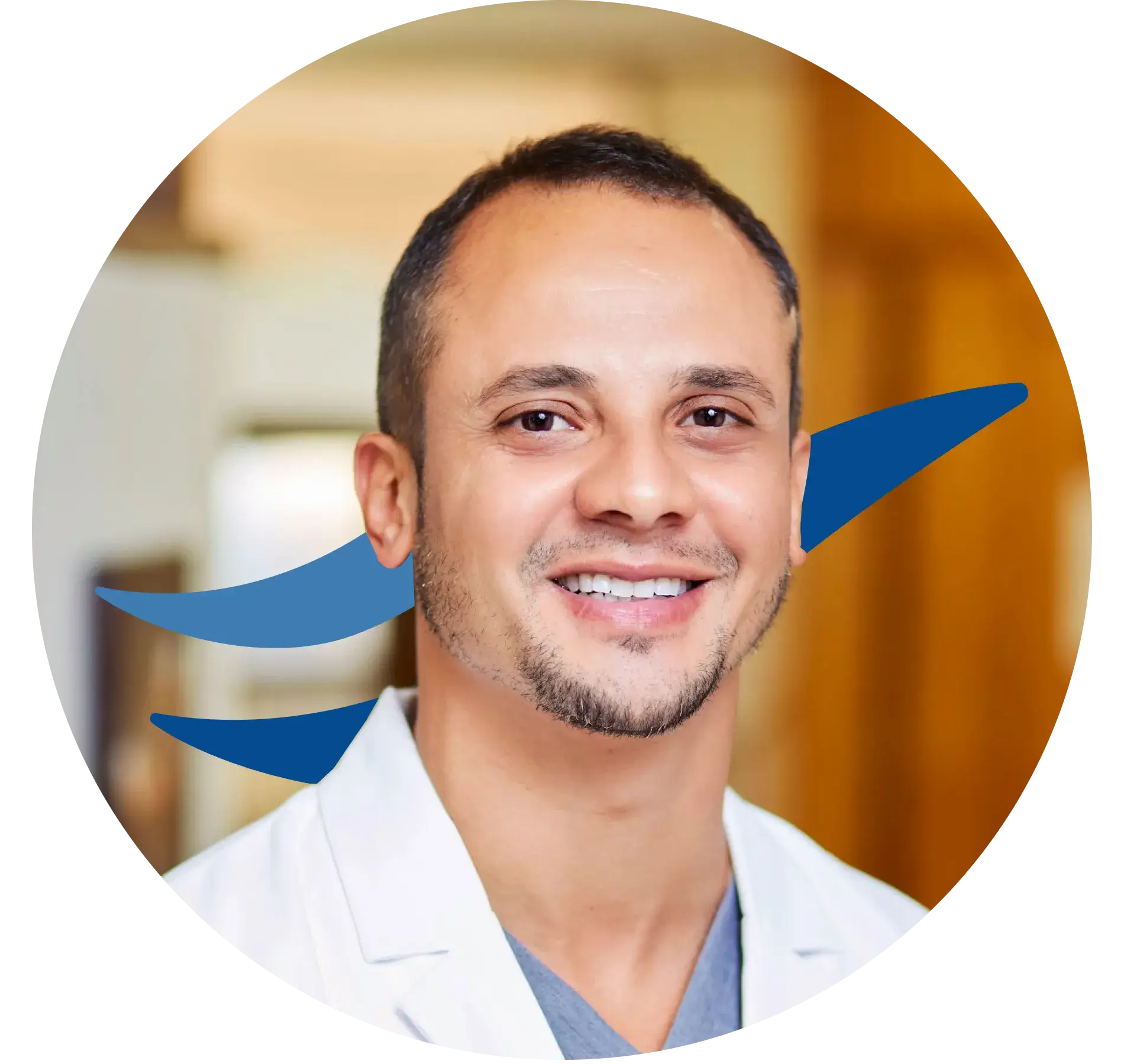
Dr. Shierf Elgamal is the lead dentist at Orange Premier Dental in Orange County. A graduate of Loma Linda University School of Dentistry (2013), he has extensive experience across all areas of general dentistry and is dedicated to providing patients with honest, straightforward care. Over the years, Dr. Elgamal has worked in multiple practices, gaining valuable skills that he now brings to his own clinic.