
For anyone searching for a dental cleaning in Orange, CA, knowing what to expect can make the visit feel easier. A cleaning is not only about polishing the teeth. It also gives the dental team an opportunity to evaluate the gums, identify areas that may need more attention, and provide practical guidance for at-home care.
This article provides general educational information and is not a diagnosis or a substitute for care from a dentist or dental hygienist. Cleaning recommendations vary based on gum health, medical history, medications, and individual dental needs.
What Happens During a Professional Dental Cleaning?
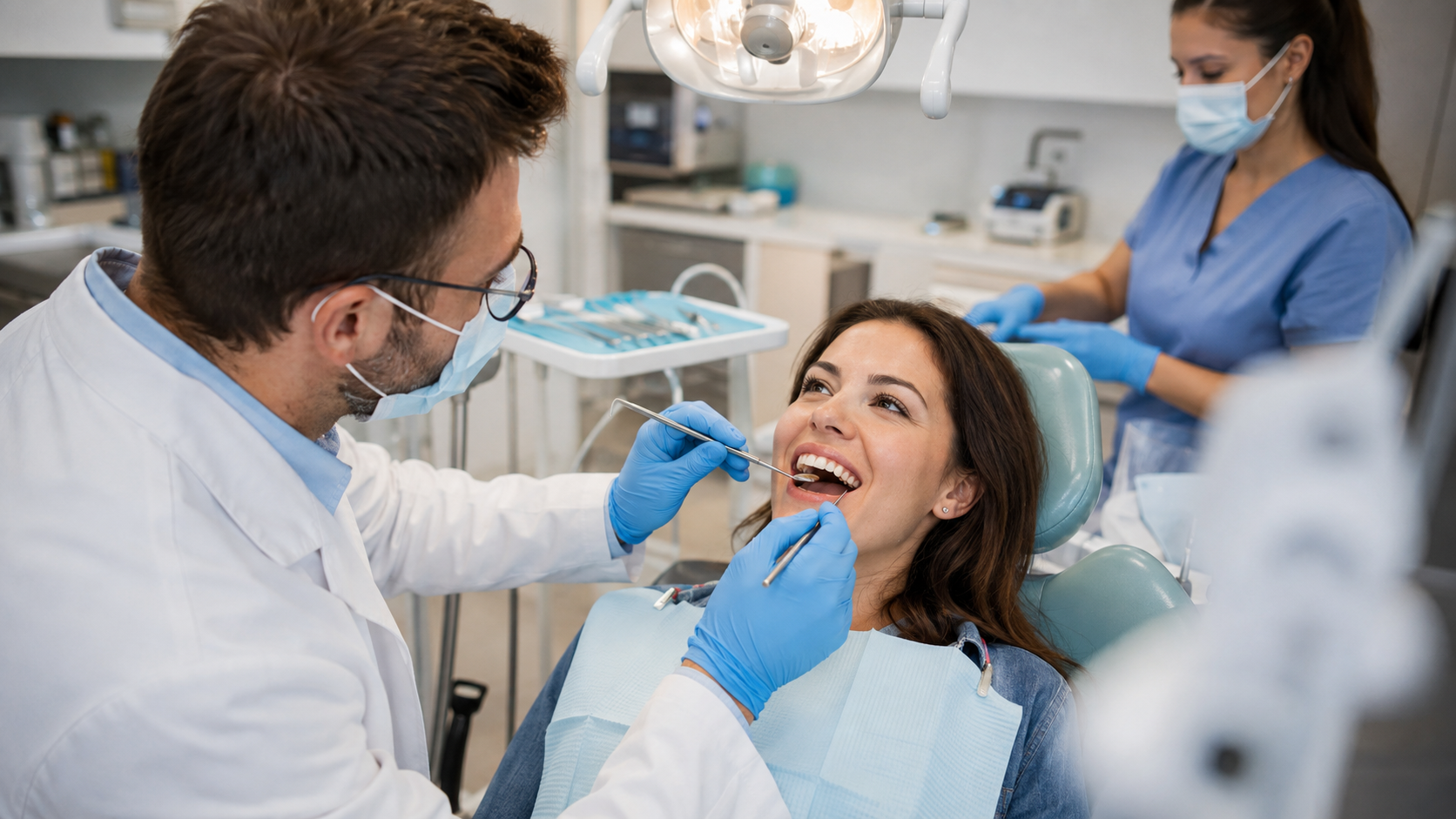
A dental cleaning is usually completed by a dental hygienist, with a dentist performing or reviewing the examination. The exact steps may vary depending on the patient’s oral health and whether it is a first visit or a regular preventive appointment.
Review of health and dental history
The appointment often begins with a review of current medications, medical conditions, allergies, and recent dental concerns. Patients should mention bleeding gums, tooth sensitivity, dry mouth, pain, bad breath, or changes in their bite.
This information matters because oral health does not exist separately from overall health. Certain health conditions, medications, and daily habits may affect the gums, saliva, or recommended treatment plan.
Examination of the teeth and gums
Before or during the cleaning, the dental professional checks the teeth and gumline. Gum measurements may be taken to look for spaces between the teeth and gums, inflammation, or other signs that need evaluation.
Dental X-rays may also be recommended when clinically appropriate. They are not necessarily needed at every cleaning. The dentist considers factors such as age, dental history, current symptoms, previous images, and risk of oral disease.
Removal of plaque and tartar
The hygienist uses specialized instruments to remove plaque and hardened tartar from around the teeth and near the gumline. This process is called scaling. Hand instruments, ultrasonic equipment, or a combination of both may be used.
Ultrasonic instruments use gentle vibrations and water to loosen deposits. Some patients notice a light tapping sensation or hear a humming sound. Hand instruments allow the hygienist to clean specific areas with precision.
Polishing and flossing
After tartar has been removed, the teeth are typically polished with a mildly abrasive paste. Polishing can help remove some surface stains and leave the teeth feeling smooth. The hygienist may then floss between the teeth and review areas where plaque tends to collect.
Polishing does not change the natural color of the teeth in the same way that professional whitening can. Its main purpose is to smooth and clean the tooth surfaces after scaling.
Personalized home-care guidance
A useful cleaning appointment should include more than a reminder to brush and floss. The dental team may demonstrate a brushing angle, recommend an interdental brush or flossing aid, or discuss ways to clean around crowns, bridges, implants, orthodontic appliances, and tightly spaced teeth.
The goal is not to judge a patient’s routine. It is to identify small, realistic improvements that can make daily care more effective.
Routine Cleaning vs. Deep Cleaning
Not every patient needs the same type of cleaning. A routine preventive cleaning and a deep cleaning address different oral health needs and should not be treated as interchangeable services.
Routine preventive cleaning
A routine cleaning is generally intended for a patient whose gums are relatively healthy. It focuses on removing plaque, tartar, and surface stains from the visible portions of the teeth and around the gumline.
This type of appointment is commonly paired with a dental examination. Its purpose is to support ongoing prevention and monitor changes before they become more complicated.
Scaling and root planing
A deep cleaning, often called scaling and root planing, may be recommended when an examination shows signs of gum disease and deposits extend below the gumline. The procedure cleans affected root surfaces rather than only the visible tooth surfaces.
Depending on the patient’s needs, the mouth may be treated in sections, and local anesthetic may be offered for comfort. Follow-up care can also differ from a standard cleaning. A dentist must evaluate the gums before determining whether this treatment is appropriate.
Periodontal maintenance
After treatment for gum disease, some patients are placed on periodontal maintenance instead of returning immediately to routine preventive cleanings. These visits focus on controlling deposits and monitoring areas affected by periodontal disease.
The recommended interval is individualized. Patients should follow the schedule established by their dental professional rather than assuming that every person needs the same frequency of care.
Does a Dental Cleaning Hurt?
Most routine cleanings are manageable, although sensations vary. Patients may feel pressure, vibration, water spray, or mild tenderness near sensitive gums. Discomfort may be more noticeable when there is significant tartar buildup, exposed root surfaces, inflammation, or a long gap between appointments.
Patients should tell the hygienist if an area feels painful or if they are anxious. The clinician may adjust the instrument, take breaks, use a gentler approach, or discuss options to reduce sensitivity. Raising a hand can serve as a simple signal that the patient needs a pause.
Dental anxiety is common and does not need to be hidden. Letting the office know before the appointment gives the team an opportunity to explain each step and plan a calmer visit. Headphones, a slower pace, shorter explanations, or frequent check-ins may also help, depending on office policies and patient preferences.
How Often Should Teeth Be Professionally Cleaned?
There is no single schedule that is appropriate for everyone. The recommended frequency depends on gum health, tartar accumulation, home-care habits, dental history, dry mouth, tobacco use, orthodontic appliances, and other individual considerations.
Some patients do well with a typical preventive schedule, while others benefit from more frequent monitoring or periodontal maintenance. After examining the teeth and gums, a dentist or hygienist can recommend an interval based on current findings rather than a one-size-fits-all rule.
Waiting until a tooth hurts is not an ideal preventive strategy. Gum problems and early tooth damage may not always cause obvious discomfort. Regular examinations allow the dental team to compare changes over time and discuss appropriate next steps.
What Affects the Cost of a Dental Cleaning in Orange, CA?
The cost of a dental cleaning can vary, so an advertised price may not reflect what a particular patient needs. Factors that may affect the total include:
- The type of cleaning recommended after the examination
- Whether the patient is new or established
- Whether an exam or dental X-rays are needed
- The amount and location of tartar buildup
- Insurance eligibility, deductibles, frequency limits, and network rules
- Whether additional periodontal evaluation or treatment is necessary
Patients with dental insurance can ask the office to review estimated benefits before treatment. An estimate is helpful, but it is not a guarantee of payment because the insurance company makes the final coverage decision.
Patients without insurance can ask for a written estimate and available payment options. The clearest quote usually comes after the dental team has evaluated the mouth and identified the correct type of cleaning.
How to Prepare for a Cleaning Appointment
A little preparation can help the appointment run smoothly. Patients should bring a photo ID, insurance information if applicable, a current medication list, and relevant dental records or X-rays if requested.
It is also helpful to make a short list of concerns. These might include sensitivity to cold, gums that bleed during brushing, food getting stuck, jaw discomfort, or a rough area on a tooth. Small details can guide the examination.
Patients can brush and floss normally before the visit, but there is no need to scrub aggressively. Forceful brushing immediately before an appointment may irritate the gums. Anyone who requires special medical precautions before dental treatment should discuss them with the dentist and appropriate medical clinician instead of changing medications independently.
When to Schedule an Evaluation Instead of Waiting
A routine cleaning is preventive care, but certain concerns deserve a prompt dental evaluation. Patients should contact a dental office if they experience persistent tooth pain, facial swelling, a broken tooth, an injury, unexplained bleeding, or another sudden change.
A cleaning alone may not resolve pain caused by decay, infection, a cracked tooth, or another dental condition. The dentist first needs to identify the source of the problem and discuss suitable treatment options.
Frequently Asked Questions
Can a dental cleaning remove stains?
A cleaning may reduce some external surface stains caused by foods, drinks, or tobacco. It will not necessarily remove deeper discoloration or change the natural shade of the teeth. Patients interested in a brighter smile can ask whether whitening or another cosmetic option is suitable.
Will a cleaning make sensitive teeth worse?
Some people experience temporary sensitivity, especially near exposed roots or areas with significant buildup. Patients should mention existing sensitivity before treatment so the hygienist can adapt the approach and the dentist can evaluate possible causes.
Can someone get a cleaning while wearing braces?
Yes. Professional care can be especially helpful because brackets and wires create additional places for plaque to collect. The hygienist works around the orthodontic appliances and may recommend tools that make home cleaning easier.
Why do gums sometimes bleed during a cleaning?
Bleeding may occur when gum tissue is irritated or inflamed, although other factors can contribute. Frequent or unexplained bleeding should be evaluated rather than self-diagnosed. Patients should also tell the dental team about medications or health conditions that may affect bleeding.
Can patients eat after a dental cleaning?
Many patients can eat after a standard cleaning. If fluoride, local anesthetic, or another treatment was provided, the dental team may give specific instructions. Following those personalized directions is the safest approach.
What if it has been years since the last cleaning?
There is no need to feel embarrassed. The first step is an examination to understand the current condition of the teeth and gums. The dental team can then explain whether a routine cleaning, deep cleaning, or another form of care is appropriate.
Schedule a Dental Cleaning in Orange, CA
Preventive visits offer an opportunity to keep the smile clean, discuss concerns, and understand what the teeth and gums need next. A comfortable appointment begins with open communication, so patients are encouraged to ask about sensitivity, anxiety, costs, insurance, or any part of the recommended care.
Orange Premier Dental welcomes general dental patients at 1665 E Lincoln Ave, Orange, CA 92865. Those looking for a dental cleaning in Orange, CA can contact Orange Premier Dental to ask questions or request an appointment. After an examination, the dental team can recommend care based on the patient’s individual oral health needs.

Dr. Shierf Elgamal is the lead dentist at Orange Premier Dental in Orange County. A graduate of Loma Linda University School of Dentistry (2013), he has extensive experience across all areas of general dentistry and is dedicated to providing patients with honest, straightforward care. Over the years, Dr. Elgamal has worked in multiple practices, gaining valuable skills that he now brings to his own clinic.