A smile does more than show up in photographs. It can influence how comfortable someone feels when speaking, laughing, or meeting new people. If stains, chips, gaps, worn teeth, or uneven shapes make you hesitate to smile, cosmetic dentistry may offer several ways to help.
Choosing the right cosmetic dentist in Orange, CA, however, involves more than searching for the nearest office. A thoughtful cosmetic plan should consider oral health, function, personal preferences, comfort, budget, and long-term maintenance—not appearance alone.
This guide explains common cosmetic options, what to expect during a consultation, and how patients can make an informed choice without feeling pressured.
This article provides general educational information and is not a diagnosis or personalized treatment recommendation. A dentist should evaluate your teeth, gums, bite, and health history before recommending care.
What Can Cosmetic Dentistry Address?
Cosmetic dentistry focuses on improving the visible qualities of a smile, including tooth color, shape, size, position, and overall balance. Some treatments are primarily aesthetic, while others may also restore damaged or missing tooth structure.
Patients commonly ask a cosmetic dentist about concerns such as:
- Yellow, darkened, or stained teeth
- Small chips or worn edges
- Spaces between teeth
- Teeth that appear uneven or differently shaped
- Old restorations that no longer blend with the smile
- Crooked or crowded teeth
- Missing teeth
- A smile that appears uneven or out of proportion
Not every concern requires an extensive smile makeover. In some cases, a conservative treatment may provide the change a patient wants. The best option depends on the condition of the teeth, the desired result, and how much natural tooth structure should be altered.
Why Oral Health Comes Before Cosmetic Treatment
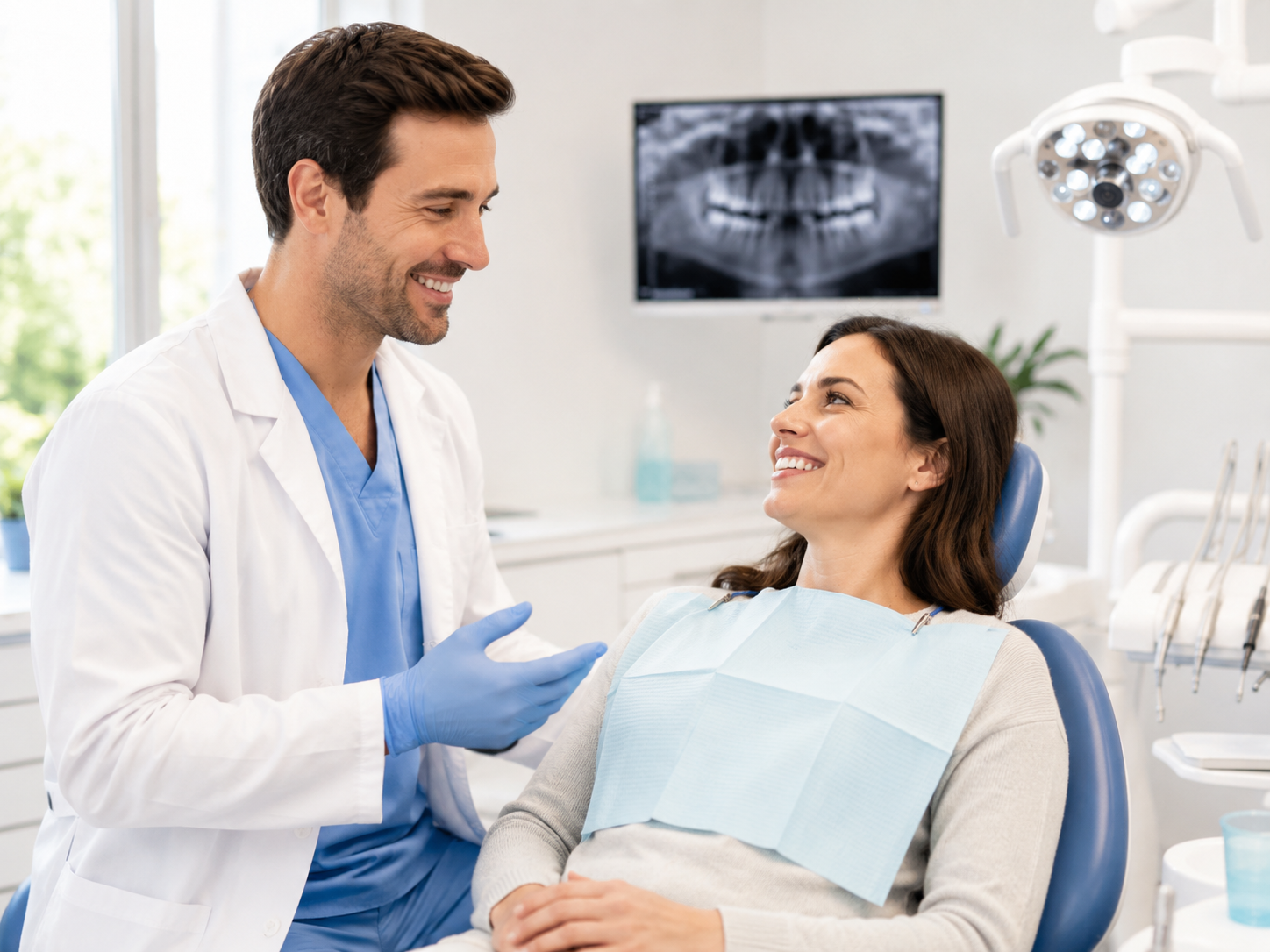
A healthy foundation is an important part of cosmetic dentistry. Before planning treatment, a dentist typically examines the teeth, gums, existing dental work, and bite. Diagnostic images may be recommended when they are necessary to understand what is happening below the visible surface.
Problems such as active decay, gum inflammation, infection, or damaged teeth may need attention before elective cosmetic care begins. For example, whitening a tooth will not repair a cavity, and placing a cosmetic restoration over an untreated problem could interfere with a predictable treatment plan.
This health-first approach does not mean cosmetic goals are unimportant. It means the dentist is considering how the smile looks and how it functions. Preventive care, home hygiene, and routine dental visits also help patients protect their results after treatment.
Common Cosmetic Dentistry Options
Cosmetic treatment is not one-size-fits-all. A consultation may include a discussion of one procedure or a combination of options. Availability and suitability vary by practice and patient.
Professional Teeth Whitening
Professional whitening is intended to brighten natural tooth enamel. It may be considered for discoloration associated with foods, drinks, tobacco exposure, or the natural changes that occur over time.
Existing crowns, veneers, bonding, and tooth-colored fillings do not whiten in the same way as natural enamel. That distinction matters when planning an even shade across the smile. A dentist can also help determine whether discoloration is likely to respond to whitening or whether another option should be discussed.
Cosmetic Dental Bonding
Bonding uses tooth-colored composite material to change selected areas of a tooth. It may be discussed for a small chip, a narrow gap, an uneven edge, or a tooth that appears slightly undersized.
Because the material is shaped directly on the tooth, bonding can be a conservative choice in appropriate cases. Patients should ask how the material may respond to everyday biting forces and what maintenance could be needed over time.
Porcelain Veneers
Veneers are thin restorations designed to cover the visible front surface of selected teeth. They may be considered when a patient wants to address several features at once, such as color, shape, spacing, or symmetry.
Veneers require careful planning because the tooth preparation, materials, bite, and desired shade all affect the result. Patients should understand whether the recommended plan involves changing natural tooth structure and what long-term care the restorations will require.
Tooth-Colored Crowns
A crown covers more of a tooth than a veneer. It may be recommended when a tooth needs broader restoration because of significant damage, wear, or an existing large filling. The material and design can be selected to help the restoration blend with neighboring teeth.
A crown is not simply an upgraded veneer. The two treatments serve different purposes, so the recommendation should be based on the tooth’s condition rather than appearance alone.
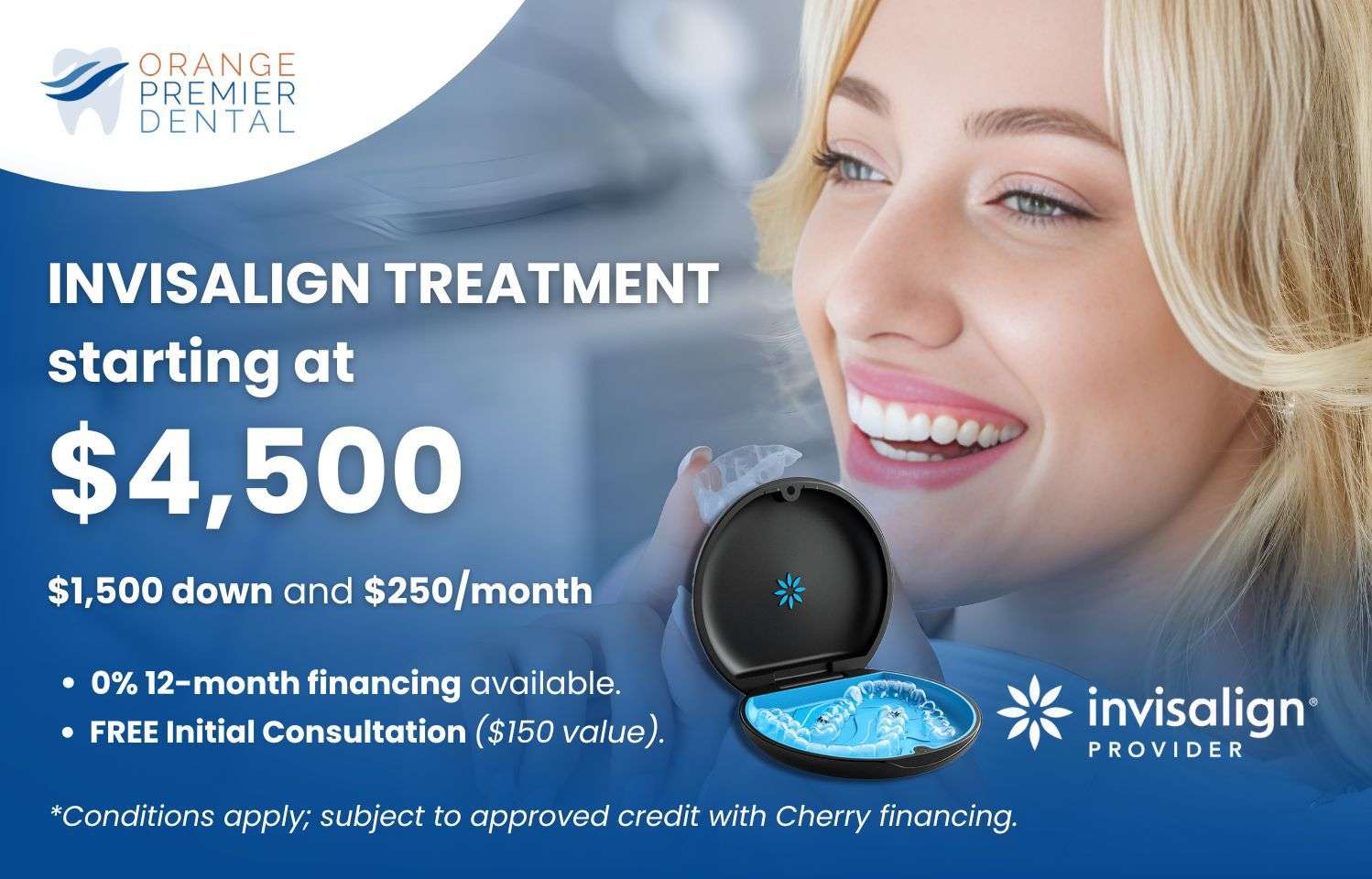
Clear Aligners or Orthodontic Treatment
When tooth position is the primary concern, orthodontic treatment may be more appropriate than covering teeth with restorations. Clear aligners may be an option for certain alignment and bite concerns, although candidacy depends on an individual examination.
Moving teeth can sometimes create a more conservative path because it may reduce the need to reshape otherwise healthy teeth. A dentist can explain whether alignment, restorative treatment, or a combination better fits the patient’s goals.
Replacing Missing Teeth
Missing teeth can affect both appearance and function. Depending on the person’s oral health and anatomy, possible options may include a bridge, removable prosthesis, or dental implant.
Implant treatment involves more than replacing the visible tooth. The implant must become stable within the supporting bone before the complete treatment and final restoration can be evaluated. Early symptom improvement, gum healing, bone integration, and placement of the final tooth are separate stages, so patients should request a personalized sequence rather than relying on a single general recovery estimate.
What to Expect at a Cosmetic Dentistry Consultation
A good consultation should feel like a conversation, not a sales presentation. The dentist first needs to understand what the patient would like to change. Bringing examples can be useful, but the goal is usually to create a result that suits the person’s face and features—not to copy someone else’s smile exactly.
The visit may include:
- A review of dental and relevant medical history
- An examination of the teeth, gums, bite, and existing restorations
- Photographs, digital scans, or diagnostic images when appropriate
- A discussion of desired tooth color, shape, and overall appearance
- An explanation of reasonable treatment alternatives
- A written plan outlining procedures, fees, and expected maintenance
Complex plans may benefit from previews, models, or digital simulations. These tools can support communication, but they should not be treated as guarantees of an identical final result. Biology, tooth condition, material limitations, and personal healing can influence treatment.
Questions to Ask a Cosmetic Dentist in Orange, CA
Clear questions help patients compare recommendations and make confident decisions. Consider asking:
- Which options could address the main concern?
- Is there a more conservative alternative?
- Does any dental condition need treatment first?
- How will the proposed shade and shape be selected?
- Will any natural tooth structure need to be changed?
- What maintenance might be required?
- What happens if a restoration becomes damaged?
- How many visits could the plan involve?
- What is included in the written fee estimate?
- Are there alternatives if the preferred treatment does not fit the budget?
A trustworthy dental team should welcome these questions and explain the reasoning behind its recommendation in everyday language.
How to Compare Cosmetic Treatment Costs
The cost of cosmetic dentistry can vary because treatment plans differ in complexity, materials, number of teeth, diagnostic needs, and supporting dental care. A low advertised price may not represent the full plan.
Patients should request a written estimate that explains what is included. It is also helpful to ask whether follow-up visits, temporary restorations, retainers, or other related steps carry separate fees.
Dental insurance often treats procedures performed only for appearance differently from care considered necessary for oral health or function. Coverage varies by plan, so patients should verify benefits rather than assume a procedure will or will not qualify.
Choosing Results That Look Natural
The brightest or most perfectly uniform smile is not automatically the most natural-looking one. Tooth proportions, facial features, lip movement, skin tone, and neighboring teeth all influence the final appearance.
Patients can tell the dentist whether they prefer a subtle refresh or a more noticeable transformation. Reviewing shade choices and discussing the desired amount of symmetry can prevent misunderstandings. A personalized result should still look like the patient’s smile—just with the changes the patient values.
Frequently Asked Questions
Is cosmetic dentistry only about appearance?
Appearance is the main focus, but certain treatments may also restore damaged tooth structure or support function. The purpose of each procedure should be clearly explained during the consultation.
Can someone receive cosmetic treatment with cavities or gum problems?
Active oral health concerns often need to be addressed first. The sequence depends on the examination and the proposed cosmetic procedure.
Will professional whitening work on crowns or veneers?
Whitening products are designed for natural enamel and generally do not change the color of existing restorations in the same way. A dentist can plan around crowns, veneers, bonding, or fillings that show when smiling.
Are veneers the right choice for every uneven smile?
No. Depending on the concern, whitening, bonding, orthodontic treatment, contouring, restorative care, or no treatment may be more appropriate. The most conservative suitable option is worth discussing.
How long does a cosmetic dental procedure take?
There is no universal timeline. Some options may involve a limited number of appointments, while alignment, implant care, or multi-step restorative treatment can involve several distinct phases. A dentist should provide a case-specific schedule after an evaluation.
How can patients help maintain cosmetic results?
Consistent brushing, interdental cleaning, professional preventive care, and following instructions for any retainers or protective appliances can support ongoing oral health. Maintenance recommendations depend on the treatment and the patient’s habits.
Start With a Personalized Smile Conversation
Cosmetic dentistry works best when careful planning comes before treatment. Patients deserve to understand their choices, know what can realistically be achieved, and feel comfortable asking questions about health, appearance, cost, and maintenance.
Orange Premier Dental provides preventive, restorative, cosmetic, and implant-related dental care for patients in the Orange community. Those considering a cosmetic consultation can contact the practice to discuss their concerns and learn which options may fit their needs.
To take the next step, visit Orange Premier Dental at 1665 E Lincoln Ave, Orange, CA 92865. The dental team can evaluate the smile, answer questions, and develop an individualized plan without assuming that every patient needs the same treatment.

Dr. Shierf Elgamal is the lead dentist at Orange Premier Dental in Orange County. A graduate of Loma Linda University School of Dentistry (2013), he has extensive experience across all areas of general dentistry and is dedicated to providing patients with honest, straightforward care. Over the years, Dr. Elgamal has worked in multiple practices, gaining valuable skills that he now brings to his own clinic.