Dental veneers in Anaheim offer a reliable way to improve the appearance of teeth that are chipped, stained, or slightly misaligned. They are thin shells custom-made to fit over the front of teeth, giving a natural, polished look that can boost confidence without extensive dental work. This makes them a popular choice for people wanting a quick, effective smile upgrade.
Patients often appreciate how veneers blend modern technology with comfort. The process is straightforward, typically involving minimal discomfort and only a few visits to the dentist. Understanding what to expect can help ease any anxiety about the treatment.
Choosing veneers means investing in your smile with a solution that looks and feels like real teeth. For those curious about how veneers might suit their needs, speaking with a local Anaheim dental expert can clarify options and ensure personalized care.
What Are Dental Veneers?
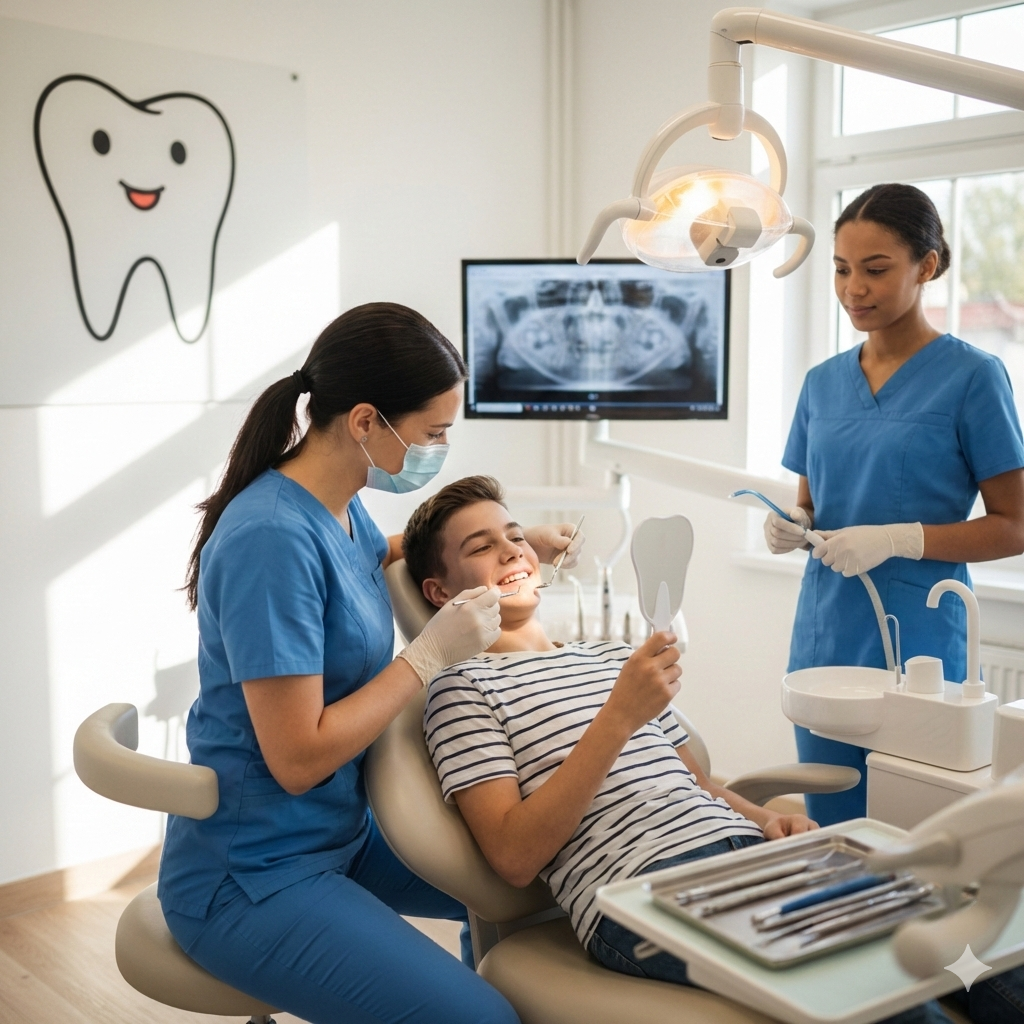
Dental veneers are thin, custom-made shells designed to cover the front surface of teeth. They improve the appearance by changing the color, shape, size, or length of teeth. Veneers offer a natural look and are a popular choice for addressing cosmetic dental issues.
Types of Dental Veneers
There are primarily two types of dental veneers: porcelain and composite resin. Porcelain veneers are more durable and stain-resistant, lasting 10-15 years. They require removing a small amount of enamel and are custom-crafted in a lab. Composite resin veneers are applied directly to the teeth in layers. They are less expensive but usually last 4-8 years and are more prone to staining.
Each type has its benefits. Porcelain veneers tend to look more natural and maintain their appearance longer. Composite veneers are a quicker, less costly solution with easier repairs. Choosing between them depends on lifestyle, budget, and desired results.
How Dental Veneers Work
The process starts with a consultation to evaluate tooth health and discuss goals. For porcelain veneers, the dentist removes a thin layer of enamel to prepare the tooth. They take impressions sent to a lab where veneers are made to match the natural tooth color and shape. Temporary veneers may be placed while waiting.
At the next visit, the veneers are bonded using a strong dental adhesive. Composite veneers are sculpted and hardened directly on the teeth during a single appointment. Both types require precise placement to ensure comfort, proper bite, and aesthetics.
Who Is a Good Candidate?
Ideal candidates have healthy teeth and gums with cosmetic concerns like discoloration, chips, gaps, or uneven shape. Veneers aren’t suitable for people with severe decay, gum disease, or weakened enamel. Those who grind their teeth might need a night guard to protect veneers.
Patients seeking a minimally invasive, long-lasting improvement often choose veneers. A thorough dental check-up ensures their mouth is ready for treatment. Consulting a dentist in Anaheim can help determine if veneers are the right fit and which type matches individual needs.
Benefits of Dental Veneers in Anaheim
Dental veneers offer a practical way to improve teeth appearance while providing lasting strength. They involve precise techniques that preserve natural tooth structure and enhance overall dental health.
Enhanced Smile Appearance
Veneers are custom-made to fit each person’s teeth, which means they seamlessly match the color, shape, and size of natural teeth. This helps correct discoloration, chips, gaps, and minor misalignments effectively. Patients often notice a boost in confidence because veneers create a brighter, more uniform smile without looking artificial.
Local Anaheim dentists use advanced materials like porcelain, which mimics the natural enamel’s translucency and gloss. This natural look allows for significant aesthetic improvements but keeps the smile subtle and authentic. Patients can expect their enhanced smile to look polished whether up close or at a distance.
Durability and Longevity
Porcelain veneers are highly resistant to stains caused by coffee, tea, or smoking, which keeps the smile whiter for longer periods. With proper care, they can last between 10 to 15 years before needing replacement. This longevity provides a steady investment in both appearance and oral health.
The strength of the porcelain also protects the underlying tooth from minor chips or cracks. While daily care like brushing and flossing remains crucial, veneers require no special maintenance beyond regular dental visits. Anaheim dentists provide guidance to maximize veneer lifespan in everyday life.
Minimally Invasive Procedures
Getting veneers usually involves minimal removal of tooth enamel — often less than a millimeter. This process preserves most of the natural tooth and reduces sensitivity post-treatment compared to other cosmetic options. People concerned about discomfort find this aspect reassuring.
The treatment often completes in two or three appointments, making it convenient for those with busy schedules. Local dental professionals in Anaheim focus on patient comfort using gentle techniques and sedation options if necessary. This careful approach lets patients enjoy a new smile without extensive dental work or long recovery times.
Choosing the Right Dental Practice in Anaheim
Finding a dental practice that matches your needs can make a big difference in how comfortable and confident you feel about veneers. It helps to focus on the dentist’s experience and the preparation involved before your visit to ensure a smooth process.
Qualities of a Trusted Dentist
A trusted Anaheim dentist should have specific experience with veneers, showcasing before-and-after photos to demonstrate skill. Look for credentials such as board certification and memberships in professional organizations like the American Academy of Cosmetic Dentistry.
Patient reviews and testimonials often reveal how well the dentist listens and explains procedures, which is important for easing any nerves. The practice should use modern technology like digital imaging to plan veneer placement accurately. Clean, welcoming office environments also signal attention to patient care and comfort.
How to Prepare for Your Consultation
Before your consultation, gather questions about the veneer process, costs, and expected results. Bring any dental records or X-rays if available; this helps the dentist assess your situation quickly.
Think about what you want to achieve with veneers—whether it’s whitening, fixing chips, or reshaping your smile—and share that honestly. This clarity allows the dentist to provide options that fit your goals and budget.
It also helps to note any dental sensitivities or health issues beforehand to ensure safe treatment planning. Arriving with realistic expectations supports open communication during your visit.
The Dental Veneer Procedure: Step by Step
Dental veneers require careful preparation, precise customization, and a comfortable placement process. Each step is designed to ensure the veneers look natural and fit perfectly, while keeping the patient at ease throughout the treatment.
Initial Exam and Smile Assessment
The process begins with a thorough dental exam to evaluate the patient’s oral health. The dentist checks for cavities, gum disease, and any existing dental work that might affect veneer placement. They also discuss the patient’s goals and expectations for the new smile.
Digital photos and X-rays may be taken to get a clear picture of the teeth’s structure. This helps the dentist plan the veneer shape and shade accurately. The patient’s bite is also analyzed to ensure veneers won’t cause discomfort or damage over time.
Customizing Your Veneers
After the exam, the dentist creates a detailed plan for the veneers. This involves selecting the right shape, size, and color to match the patient’s natural teeth and facial features. Some offices use advanced CAD/CAM technology to design veneers digitally.
The patient may see mock-ups or try temporary veneers to preview the look. This allows adjustments before the final veneers are made. The dentist works closely with a skilled dental lab to craft porcelain veneers specifically tailored to the patient’s smile.
The Placement Appointment
On the day of placement, the dentist prepares the teeth by gently removing a small amount of enamel to make room for the veneers. This step is quick and typically causes minimal discomfort, often managed with a local anesthetic.
Next, the veneers are carefully bonded to the teeth using a strong dental adhesive. The dentist ensures each veneer fits perfectly and looks natural. Finally, the bite is checked and minor adjustments are made if needed to guarantee comfort and function.
Caring for Your New Smile
Maintaining dental veneers requires attention to daily care and avoiding certain foods and habits that could damage them. Protecting your investment involves simple routines to keep your smile bright and strong.
Daily Oral Hygiene Tips
Brushing twice a day with a soft-bristled toothbrush helps protect veneers from stains and decay around the edges. Using non-abrasive toothpaste prevents scratches that could dull the surface.
Flossing daily removes plaque buildup between teeth and around veneers, reducing the risk of gum irritation or infection. Mouthwash with fluoride can add an extra layer of protection but should be alcohol-free to avoid drying out the mouth.
Regular dental check-ups are essential. A professional cleaning every six months ensures veneers stay clean, and the dentist can spot any early issues before they become problems.
Foods and Habits to Avoid
Hard foods like ice, nuts, and popcorn kernels can crack or chip veneers. It’s best to cut tough items into smaller pieces or avoid biting into them directly.
Sticky candies and chewing gum can pull at veneers, potentially loosening them over time. Sugary foods also increase the risk of decay along natural tooth edges.
Avoid habits such as nail-biting, using teeth to open packages, or grinding teeth. Wearing a night guard can protect veneers from damage caused by grinding during sleep.
By steering clear of these risks, veneers will maintain their appearance and durability for years to come.
Potential Concerns and Considerations
Dental veneers offer many benefits but come with some concerns that patients should understand before proceeding. It’s important to clarify what veneers can and cannot do, as well as the potential risks involved and ways to minimize them.
Common Misconceptions
Many people believe veneers are a permanent, invincible fix. While veneers are designed to be durable, they are not indestructible. They require proper care and can chip or wear down over time, especially if the patient grinds their teeth or bites hard objects.
Another misconception is that veneers look fake or overly bright. Today’s materials and techniques allow for a natural appearance, matching the shape and color of surrounding teeth closely. Veneers do involve some enamel removal, but it is minimal and carefully done to maintain tooth health.
Some assume veneers whiten teeth permanently. Veneers resist staining, but natural teeth around them can discolor, which might lead to a mismatch over the years.
Possible Risks and How to Prevent Them
Veneers come with risks, though they are generally low when the procedure is done by a skilled professional. Sensitivity is common after enamel removal, but it usually fades within a few days or weeks. Temporary discomfort can be eased with over-the-counter pain relievers.
Rarely, veneers might loosen or fall off if bonding fails. Prevent this by avoiding biting on hard items like ice or pens and maintaining good oral hygiene to prevent decay under the veneer.
Patients with untreated gum disease or severely damaged teeth might not be good candidates. A thorough dental exam before treatment ensures that veneers are a suitable solution.
Using a night guard can protect veneers from damage caused by teeth grinding during sleep, preserving their longevity.
Comparing Dental Veneers to Other Cosmetic Options
Dental veneers offer a blend of aesthetic improvement and structural support, which sets them apart from other cosmetic procedures. It’s important to understand how veneers measure up in terms of effectiveness, durability, and treatment scope compared to common alternatives.
Veneers vs. Teeth Whitening
Teeth whitening is a popular option for removing stains and brightening natural teeth. It is non-invasive, relatively quick, and less expensive than veneers. However, whitening only changes the color of the enamel and can’t address issues like cracks, chips, or misaligned teeth.
Veneers cover the front surface of teeth, allowing for correction of shape, size, and color. They provide a more uniform appearance and are stain-resistant. While veneers require some enamel removal and can be pricier, they last longer—typically 10 to 15 years—with proper care.
Whitening treatments may need to be repeated regularly, and results vary based on lifestyle habits like smoking or coffee drinking. For someone seeking more comprehensive improvement, veneers are often a better long-term solution.
Veneers vs. Dental Crowns
Dental crowns cover the entire tooth and are primarily used to restore function and strength to damaged teeth. They are heavier restorations than veneers and often recommended when a tooth is weakened by decay or large fillings.
Veneers, by contrast, are thinner shells that cover only the front surface. They preserve more natural tooth structure, making them less invasive. Crowns are more durable for teeth needing protection from biting force, while veneers focus mainly on aesthetics.
Choosing between veneers and crowns depends on oral health. If a tooth is structurally sound but cosmetically flawed, veneers are ideal. Crowns suit teeth that require significant restoration alongside cosmetic improvement.
Cost of Dental Veneers in Anaheim
The price of dental veneers in Anaheim varies depending on several key factors, including the materials used and the complexity of the procedure. Payment options also play an important role in making this cosmetic treatment more accessible.
Factors Affecting Price
Several elements influence the cost of dental veneers. The most common materials are porcelain and composite resin. Porcelain veneers typically range from $925 to $2,500 per tooth, while composite veneers tend to be more affordable, usually between $250 and $1,500 per tooth.
Other factors include the dentist’s experience, the number of veneers needed, and any preparatory work like teeth cleaning or minor restorations. Customized veneers from a local dental lab may cost more than those made with standard templates. The procedure’s complexity or additional treatments like teeth whitening can also impact the final price.
Financing and Insurance Options
Most dental insurance plans do not cover veneers since they are considered cosmetic. However, some may offer partial coverage if veneers are needed for restorative reasons. It’s important to check directly with your insurance provider to confirm benefits.
Many dental offices in Anaheim provide financing through third-party companies that allow patients to pay over time. Flexible payment plans, credit cards, or healthcare loans are common choices. Some practices offer in-house financing with low or no interest for a set period, making veneers easier to budget without large upfront costs.
Your Path to a Confident Smile
Getting dental veneers in Anaheim begins with a thorough consultation. The dentist will examine the teeth, discuss your smile goals, and recommend the best veneer options for your needs.
The process usually involves three simple steps:
- Assessment and planning: Understand what veneers can do for you, including color and shape choices.
- Preparation: A small amount of enamel may be removed to ensure a natural fit.
- Placement: Custom-made veneers are carefully bonded to the teeth for lasting results.
Throughout the process, patient comfort is a top priority. Local anesthesia and careful techniques help reduce any discomfort during preparation.
Veneers offer a way to correct a range of issues— from discoloration to chips and gaps— without extensive dental work. This makes them a practical and effective option for many people.
After placement, maintaining a confident smile is simple. Brushing, flossing, and regular dental visits keep veneers looking their best and protect your overall oral health.
Anyone curious about veneers is encouraged to schedule a consultation. It’s a chance to ask questions, understand the details, and feel confident about the path ahead.
Frequently Asked Questions
Many people want to know how veneers can change their smile and what the process involves. Questions about safety, care, and choosing the right type of veneer come up often.
How can veneers improve the appearance of my teeth?
Veneers cover the front surface of teeth to hide chips, stains, or gaps. They create a smoother, whiter, and more even smile.
What is the typical procedure for getting veneers?
The dentist first examines and prepares the teeth by removing a thin layer of enamel. Then, impressions are taken to craft custom veneers, which are bonded during a follow-up visit.
Are there any risks associated with getting veneers?
Veneers can increase tooth sensitivity and are not reversible because enamel is removed. Chips or cracks can happen, but good care reduces this risk.
How should I care for my veneers to ensure their longevity?
Brushing twice a day and flossing regularly are important. Avoid biting hard objects and see the dentist for routine checkups to keep veneers intact.
How do I know if I’m a good candidate for veneers?
People with healthy teeth and gums who want to improve minor imperfections usually qualify. A dental exam will confirm if veneers are suitable.
What’s the difference between porcelain veneers and composite resin veneers?
Porcelain veneers are more durable and stain-resistant but cost more. Composite resin veneers are less expensive and quicker to place but may wear down faster.

Dr. Shierf Elgamal is the lead dentist at Orange Premier Dental in Orange County. A graduate of Loma Linda University School of Dentistry (2013), he has extensive experience across all areas of general dentistry and is dedicated to providing patients with honest, straightforward care. Over the years, Dr. Elgamal has worked in multiple practices, gaining valuable skills that he now brings to his own clinic.