Looking for teeth whitening in Orange, CA? This piece explains what works, what costs to expect, and how a local dentist can give faster, longer-lasting results than over-the-counter kits. If you want reliable, dentist-supervised whitening that balances safety, speed, and lasting brightness, a consultation with an Orange, CA dental practice is the best first step.
You’ll learn why stains form, how professional in-office and take-home options differ from store products, what happens during an appointment, who should avoid certain treatments, and simple steps to keep results bright. Expect clear comparisons, practical tips for comfort and sensitivity, and guidance on when a one-on-one consult matters most.
If worried about sensitivity or unsure which method fits your schedule and budget, the article lays out realistic trade-offs and next steps to connect with a local expert for personalized care.
Understanding How Teeth Stain
Stains form when pigments or changes in tooth structure alter enamel or dentin. Knowing which foods, habits, and natural changes cause discoloration helps patients choose effective whitening options and preventive steps.
Common Foods and Drinks That Cause Discoloration
Dark-colored beverages and deeply pigmented foods deposit molecules that bind to enamel. Coffee, black tea, red wine, cola, and dark fruit juices are frequent culprits because tannins and chromogens cling to tooth surfaces. Tomato-based sauces, soy sauce, berries, and beetroot also leave noticeable stains after repeated exposure.
Acidic drinks like citrus juices and soda soften enamel, making it easier for pigments to adhere. Staining risk increases with sipping over long periods, using a straw can reduce contact for some drinks. Rinsing with water after eating or brushing 30–60 minutes later helps remove residues without damaging softened enamel.
Everyday Habits Impacting Tooth Color
Tobacco use produces stubborn brown and yellow stains from tar and nicotine that penetrate enamel quickly. Chewing tobacco and smoking both accelerate discoloration and worsen with frequency.
Poor oral hygiene allows plaque and calculus to build up, creating a rough surface that traps pigment. Medications such as certain antihistamines, antipsychotics, and high-fluoride prescriptions can lead to intrinsic discoloration. Frequent use of colored mouthwashes or breath mints may also contribute subtly over time.
Aging and Natural Changes in Enamel
Enamel gradually thins with age from wear, erosion, and micro-abrasion, revealing the darker, yellowish dentin beneath. Minor chips and surface wear increase light absorption, making teeth appear less bright.
Lifelong exposure to staining agents accumulates, and reparative processes in dentin can darken teeth internally. Some people inherit naturally thinner or more porous enamel, which stains more easily and may require professional whitening or restorative options for meaningful improvement.
Professional Whitening Options in Orange, CA
Patients in Orange, CA can choose between fast in-office procedures or convenient professional take-home kits. Both options use dentist-prescribed peroxide gels and include exam-based customization to protect enamel and restorations.
In-Office Whitening Treatments
In-office treatments deliver the highest immediate lift, usually performed by a licensed dentist or trained hygienist. The procedure commonly uses 25–40% hydrogen peroxide gels applied to the teeth for several 15–20 minute intervals, often with protective barriers for gums and optional LED activation. Typical sessions last 60–90 minutes and can lighten teeth by several shades in a single visit.
Benefits include controlled application, professional monitoring for sensitivity, and immediate results—useful for special events or patients wanting quick improvement. Risks are usually limited to transient tooth or gum sensitivity, which staff mitigate with desensitizing agents and post-op care. Patients with crowns, veneers, or deep intrinsic stains may need alternative approaches since restorations won’t whiten like natural enamel.
Take-Home Professional Kits
Take-home professional kits combine dentist-prescribed gels (typically 10–22% carbamide peroxide) with custom-made trays formed from impressions or digital scans. Patients wear trays for short daily sessions—30 minutes to overnight—over 1–2 weeks, depending on desired whitening and gel strength.
These kits offer gradual whitening with better control over sensitivity and greater convenience for busy schedules. Dentists provide instructions, monitor progress through follow-up visits, and can adjust concentration or wear time if sensitivity arises. Take-home systems suit those wanting modest, steady improvement or maintenance after an in-office boost. They remain effective for surface and mild intrinsic stains but won’t change the color of restorations.
Choosing the Right Option for Your Smile
A dentist evaluates tooth shade, sensitivity history, restorations, and lifestyle to recommend the best option. For fast, dramatic change—such as brides or public speakers—in-office treatment often fits best. For gradual improvement, budget concerns, or ongoing maintenance, take-home kits are practical and effective.
Patients with gum disease, active cavities, or thin enamel should address these conditions before whitening to reduce complications. They should also disclose any veneers, crowns, or tetracycline stains, since these affect expected outcomes. A short consultation and shade-mapping session clarifies realistic goals and creates a safe, personalized plan that balances results with comfort.
What to Expect During a Whitening Appointment
Appointments usually take about 60–90 minutes and start with a brief exam, discussion of goals, and photos. Patients can expect a stepwise process that focuses on safety, comfort, and predictable shade improvement.
Step-by-Step Treatment Walkthrough
The clinician begins with an oral exam and dental photos to document baseline shade and check for cavities or gum disease. If active decay or inflammation exists, they postpone whitening and recommend treatment first.
Next, the hygienist cleans the teeth to remove plaque and surface stains. This improves gel contact and helps produce more even results.
During chairside whitening, the assistant places a cheek retractor and applies a gingival barrier to protect soft tissues. They then apply a hydrogen peroxide-based gel to the tooth surfaces in a controlled layer.
Most practices use 15–20 minute light-activation cycles, repeating two to three times depending on shade goals. The clinician monitors sensitivity and shade progress after each cycle, adjusting time or gel concentration as needed.
At the end, the team removes the gel, rinses thoroughly, and compares post-treatment photos to the baseline. They discuss expected maintenance and any follow-up touch-ups.
Comfort Measures and Safety Precautions
Clinics use a rubber dam or light-cured gingival barrier to shield gums and lips from bleaching gel. This reduces chemical irritation and prevents accidental contact.
To reduce sensitivity, providers offer desensitizing agents containing potassium nitrate or fluoride before or after treatment. They may also shorten application cycles for patients with known sensitivity.
Staff check oxygen saturation and medical history when patients take photosensitizing or bleaching-interacting medications. They screen for thin enamel, existing restorations, and pregnancy, deferring whitening when contraindicated.
Providers wear protective eyewear during light activation and use low-heat lamps or LED lights that minimize tissue heating. They document gel concentrations and exposure times for medical-legal safety.
Post-Treatment Instructions
Patients should avoid heavily pigmented foods and drinks—coffee, red wine, curry, and tobacco—for 48 hours to reduce staining during the enamel’s rehydration window. Using a straw for beverages helps when needed.
If sensitivity occurs, they recommend over-the-counter NSAIDs and a desensitizing toothpaste twice daily. Short-term sensitivity typically resolves within 48–72 hours; persistent pain warrants a return visit.
For long-term results, patients should schedule professional touch-ups every 6–12 months or use custom take-home trays for maintenance. Providers advise avoiding whitening toothpaste with harsh abrasives and keeping routine cleanings every 3–6 months.
To book a consultation or ask about eligibility, contact the dental office for a personalized assessment and shade-matching plan.
Comparing Store-Bought and Dentist-Recommended Solutions
Store-bought kits offer convenience and lower cost, while dentist-recommended options provide stronger agents, customized fit, and professional oversight. Patients should weigh expected results, sensitivity risk, and how long the effects will last when choosing between the two.
Effectiveness and Results
Over-the-counter whitening strips and toothpastes use lower concentrations of hydrogen peroxide or carbamide peroxide, typically between 3%–10%. These products can remove surface stains from coffee, tea, and smoking but usually lighten teeth by one to two shades over several weeks.
In-office whitening uses professional-strength bleaching agents, often 25%–40% hydrogen peroxide, and accelerants like light or heat. Dentists can achieve three to eight shades of improvement in a single 45–90 minute session, depending on starting shade and enamel condition.
Custom take-home trays prescribed by a dentist combine higher-concentration gels (10%–22% carbamide peroxide) with accurate impressions. These deliver more even results than generic trays and reduce uneven whitening, especially on crowded or rotated teeth.
Safety Considerations
Store-bought options can cause gum irritation and tooth sensitivity if trays or strips overlap gums or if abrasive whitening toothpastes are overused. Consumers with existing restorations—crowns, veneers, large fillings—should know these materials don’t whiten, which can create mismatched shades.
Dentist-supervised treatments start with an exam to identify cavities, gum disease, and restorations that affect safety and outcomes. Clinicians use gingival barriers and controlled concentrations to minimize soft-tissue injury and monitor sensitivity during treatment.
For patients with enamel erosion, exposed dentin, or active periodontal issues, a dentist may recommend postponing bleaching or using desensitizing protocols. Professional care also documents baseline shades and tracks results for safer, predictable outcomes.
Longevity of Whitening
Results from store-bought kits typically last six months to a year with good habits, but results fade faster with frequent coffee, red wine, or tobacco use. Whitening toothpastes help maintain brightness but don’t reverse intrinsic discoloration.
Professional in-office whitening plus custom take-home trays often achieves longer-lasting results, commonly 1–3 years before noticeable relapse. Periodic touch-ups—every 6–12 months with low-concentration gels—extend longevity and sustain shade uniformity.
Maintenance strategies matter: using a straw for staining beverages, brushing within 30–60 minutes after staining foods, and scheduling professional cleanings every six months preserves results. Dentists can recommend tailored touch-up schedules based on lifestyle and initial whitening response.
Maintaining Bright Results
Keep teeth bright by combining consistent daily care, smart food and drink choices, and periodic touch-ups. Small habits—brushing technique, rinsing after coffee, and professional polishings—make the biggest difference in long-term whiteness.
Healthy Oral Hygiene Habits
Brush twice daily with a soft-bristled brush and a fluoride toothpaste. Use gentle, short strokes and hold the brush at a 45° angle to the gumline to remove plaque without abrading enamel. Replace the toothbrush or brush head every 3 months or sooner if bristles fray.
Floss once a day to remove interproximal stains and bacteria that contribute to discoloration. Consider interdental brushes or a water flosser if flossing is difficult. They reach food particles and help maintain gum health, which supports a brighter smile.
Use an ADA‑approved whitening or anti‑stain toothpaste 2–3 times per week to help lift surface stains. On other days, use a regular fluoride toothpaste to protect enamel. Rinse with an alcohol‑free fluoride mouthwash to reduce acidity and strengthen enamel.
Schedule professional cleanings every 3–6 months based on the dentist’s recommendation. Hygienist polishing removes stubborn surface stains and biofilm that at‑home care can’t fully eliminate. Discuss any sensitivity after whitening so the clinician can adjust future care.
Foods and Drinks to Enjoy or Avoid
Limit high‑stain beverages such as coffee, black tea, red wine, cola, and concentrated fruit juices. When consuming them, sip through a straw to reduce contact with front teeth. Rinse with water immediately after drinking to dilute pigments.
Enjoy low‑stain choices like water, milk, and herbal teas. Crunchy fruits and vegetables—apples, celery, carrots—act as natural cleansers by increasing saliva and physically scrubbing tooth surfaces. Cheese and yogurt help neutralize acids and provide calcium for enamel support.
Avoid smoking and tobacco products; nicotine and tar create deep yellow and brown stains that are difficult to remove. Acidic foods and citrus can erode enamel over time, making teeth more prone to staining; eat them with meals rather than alone and rinse afterward.
If a stain‑prone meal is planned, schedule a rinsing or brushing routine afterward. Carry a travel toothbrush or sugar‑free xylitol gum to stimulate saliva and help clear pigments.
Tips for Preventing Future Stains
Use at‑home touch‑ups as recommended by the dental professional—custom trays with carbamide peroxide or maintenance strips can be used intermittently to sustain results. Follow the prescribed frequency to avoid overuse and sensitivity.
Adopt a rinse-and-wait rule: after consuming staining foods or drinks, rinse with water and wait 30 minutes before brushing. Brushing immediately after acidic exposure risks enamel wear. Waiting allows saliva to neutralize acids and reharden enamel.
Monitor tooth sensitivity and report it during follow-up visits. The dentist can suggest desensitizing toothpaste, lower‑concentration maintenance gels, or spaced treatment intervals to maintain comfort while preserving whiteness.
Keep a stain‑prevention checklist: twice‑daily brushing, daily interdental cleaning, drinking water after staining consumables, quarterly or semiannual professional cleanings, and use of recommended maintenance products. Ask the dental office about same‑day polishing appointments if spot cleaning is needed before special events.
Who Should Avoid Certain Whitening Treatments?
Some people should delay or choose alternative whitening options because of sensitivity, dental work, or active oral disease. The following subsections explain specific risks and who benefits from tailored approaches.
Sensitivity Concerns
People with a history of dentin hypersensitivity often feel sharp, short-lived pain when exposed to cold, heat, or sweet foods. Whitening agents — especially high-concentration peroxide used in-office — can penetrate enamel and temporarily increase nerve irritation.
Those who experience ongoing sensitivity after routine cleanings, brushing, or minor cold exposure should discuss lower-concentration take-home kits, desensitizing pretreatments (like 5% potassium nitrate toothpastes), or staged whitening with their dentist.
Pregnant or breastfeeding patients are also advised to postpone elective whitening because safety data are limited; alternative cosmetic options like professional cleaning can improve appearance without chemicals.
Patients with exposed root surfaces from gum recession should avoid strong bleaching agents on those areas; dentists may recommend covering exposed roots or using milder formulas to reduce pain.
Dental Restorations and Whitening
Whitening agents affect natural tooth enamel but not most restorative materials such as composite fillings, porcelain crowns, veneers, or dental bonding. This mismatch can produce uneven color: natural teeth may lighten while restorations remain the same shade.
Patients with visible anterior restorations should consult their dentist before whitening. The provider can assess which restorations will need replacement or adjustment after treatment to match the new tooth color.
Temporary measures like internal bleaching for discolored endodontically treated teeth require specialist oversight. Dentists often sequence treatment: whiten natural teeth first, then replace or shade-match restorations for a consistent smile. Clear communication about expectations helps avoid dissatisfaction.
Oral Health Conditions to Consider
Active cavities, gum disease, cracked teeth, and exposed pulps increase the risk of pain and complications from bleaching. Peroxide can seep into soft tissues through defects and amplify inflammation or infection.
A dental exam must precede whitening to treat decay, repair cracks, and resolve periodontal pockets. Patients with active ulcerative lesions, herpetic outbreaks, or oral lichen planus should delay whitening until the mucosa heals.
Medically complex patients taking certain medications (like high-dose aspirin, bisphosphonates, or chemotherapy agents) should disclose this to their dentist. Some drugs alter healing, sensitivity, or interact indirectly with dental procedures, so clinicians may recommend alternative cosmetic routes or coordinate care with a physician.
Why Consultation Matters for the Best Results
A consultation identifies whether a patient is a good candidate for whitening. It reveals causes of discoloration—surface stains from coffee, deeper intrinsic stains, or medication-related color changes—so the provider can recommend the right approach.
The dentist reviews oral health to protect the patient. Cavities, gum disease, or enamel erosion need treatment before whitening to avoid sensitivity or uneven results.
Personalized planning improves outcomes and comfort. The clinician chooses in-office, take-home, or combined protocols and selects safe concentrations and protectants for sensitive gums.
Expect a discussion of realistic results and maintenance. The dentist explains how long whitening typically lasts and offers tailored advice on touch-ups, diet, and daily care to preserve brightness.
A consultation includes a shade assessment and photography to track progress. Visual records set clear expectations and let the team adjust treatment if needed.
Patients receive pre- and post-care instructions to minimize side effects. Simple steps—avoiding acidic foods briefly, using desensitizing toothpaste, or timing a touch-up—reduce sensitivity and prolong effects.
Cost, timeline, and alternatives get covered in plain language. The dental team answers questions, addresses concerns about comfort, and helps the patient choose a plan that fits lifestyle and goals.
Contact the dental office to schedule an evaluation and discuss the best whitening path for individual needs.
Ready for a Brighter Smile? Connect With a Local Expert
Patients who want a whiter smile can find trusted care right in Orange, CA. They benefit from local professionals who balance safety, comfort, and effective whitening options.
Dental teams in Orange typically offer both in-office and take-home whitening. In-office treatments give faster, supervised results; take-home kits provide convenience and gradual improvement.
When choosing a provider, they should check credentials, ask about technique and sensitivity management, and read patient reviews. A brief consult clarifies expectations, timelines, and any necessary preparatory care like cleanings or restorations.
Common questions patients ask:
- How long will whitening last?
- Will it hurt or increase sensitivity?
- Which method fits my lifestyle and budget?
Providers usually address these with personalized plans, sensitivity-reducing protocols, and follow-up options. They also review how whitening affects existing dental work and recommend alternatives when appropriate.
To schedule an appointment, patients can call local clinics, use online booking, or request a virtual consult. Bring questions, recent dental history, and photos of the smile if possible — that helps the team prepare.
If dental teams in Orange emphasize patient comfort and realistic outcomes, patients leave better informed and more confident about next steps. Encourage them to reach out for a consultation to discuss goals and create a tailored whitening plan.
Frequently Asked Questions
This section answers common concerns about costs, methods, safety for sensitive teeth, effects on restorations, and nicotine use after whitening. It gives clear, practical guidance tailored to patients considering teeth whitening in Orange, CA.
How much does professional teeth whitening typically cost, and what factors can change the price?
Professional in-office whitening in Orange usually ranges from $300 to $900 per session. Prices vary with the clinic’s experience, the whitening system used, and whether additional treatments (like cleaning or desensitizing) are needed.
Take-home professional trays typically cost $200 to $500, depending on tray customization and strength of the bleaching gel. Insurance rarely covers cosmetic whitening, but some practices offer financing, membership plans, or bundled discounts that affect out-of-pocket cost.
What’s the difference between in-office whitening and take-home whitening trays, and which one is better for me?
In-office whitening uses stronger gels and light/laser assistance to produce quicker results—often one to two shades in a single 60–90 minute visit. It suits patients who want fast, supervised treatment for special events or severe staining.
Take-home trays use lower-concentration gel worn for several nights or hours daily, producing gradual but controllable whitening. They work well for people with mild staining, those who prefer to whiten at home, or patients who need touch-ups after in-office treatment.
How long do teeth whitening results usually last, and how can I keep my smile bright longer?
Results typically last 6 months to 2 years, depending on diet and habits. Coffee, tea, red wine, and colored foods accelerate re-staining; avoiding or limiting these extends results.
Regular dental cleanings every six months, occasional at-home touch-ups with trays or whitening pens, and good oral hygiene (twice-daily brushing, daily flossing) help maintain brightness. Smoking or frequent nicotine use shortens the duration significantly.
Is teeth whitening safe for sensitive teeth, and what can I do to minimize discomfort?
Whitening is generally safe, but patients with sensitive teeth may feel transient sensitivity during or after treatment. Sensitivity often subsides within a few days to weeks.
Dentists can minimize discomfort with desensitizing agents, lower-concentration gels, shorter application times, or fluoride varnishes before and after whitening. If sensitivity is severe, a dentist might recommend delaying whitening until the underlying issue (like decay or gum recession) is treated.
Will whitening work on crowns, veneers, or fillings, and what are my options if my dental work doesn’t match afterward?
Whitening does not change the color of porcelain, ceramic, or composite restorations. Natural teeth will lighten, but crowns, veneers, and fillings will remain the same shade.
If restorations no longer match, options include replacing restorations to match the new tooth color or whitening natural teeth to a shade closer to existing restorations before replacement. A dentist can plan treatment sequencing to avoid mismatched restorations.
Can I use nicotine products like Zyn after whitening, and how might it affect my results?
Using nicotine products such as Zyn (nicotine pouches) after whitening increases the chance of re-staining and shortens how long results last. Nicotine and tobacco-related residues can discolor enamel sooner than in nonsmokers.
To protect whitening results, dentists generally recommend avoiding nicotine products for as long as possible after treatment and committing to reduced use or cessation to preserve a brighter smile.
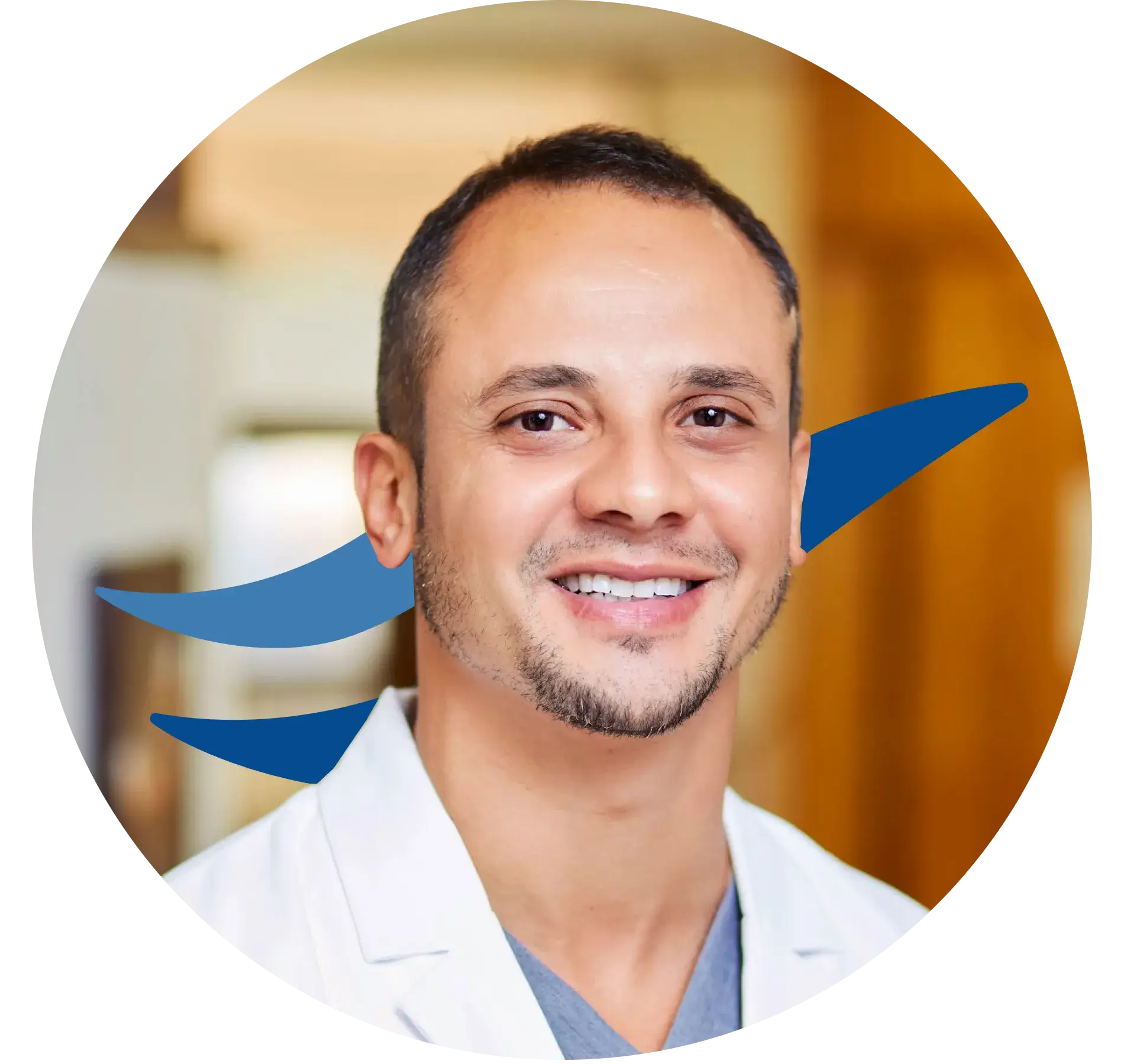
Dr. Shierf Elgamal is the lead dentist at Orange Premier Dental in Orange County. A graduate of Loma Linda University School of Dentistry (2013), he has extensive experience across all areas of general dentistry and is dedicated to providing patients with honest, straightforward care. Over the years, Dr. Elgamal has worked in multiple practices, gaining valuable skills that he now brings to his own clinic.