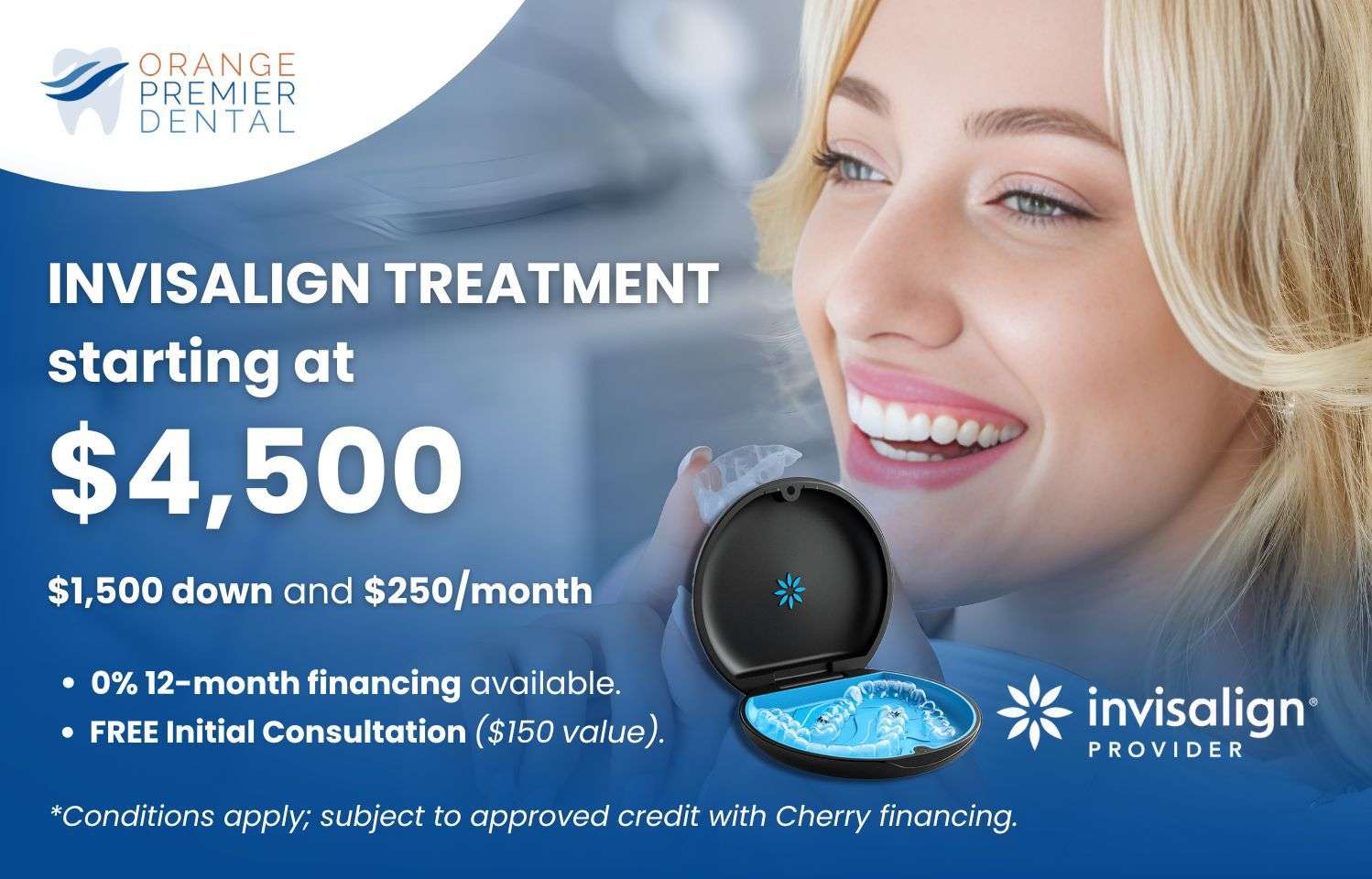
Whether someone wants a subtle refresh or a full smile makeover, cosmetic dentistry in Orange, CA offers practical options that match individual goals and budgets. You can choose from fast, minimally invasive treatments like teeth whitening and veneers to more comprehensive solutions such as implants, orthodontics, and gum contouring that restore both appearance and function.
This post guides the neighborhood through benefits of modern cosmetic dentistry, common procedures available locally, and how to pick a trusted dentist who prioritizes comfort and long-term results. Expect clear explanations of treatment trade-offs, financing and planning tips, and steps to maintain a new smile so the investment lasts.
Benefits of Modern Cosmetic Dentistry
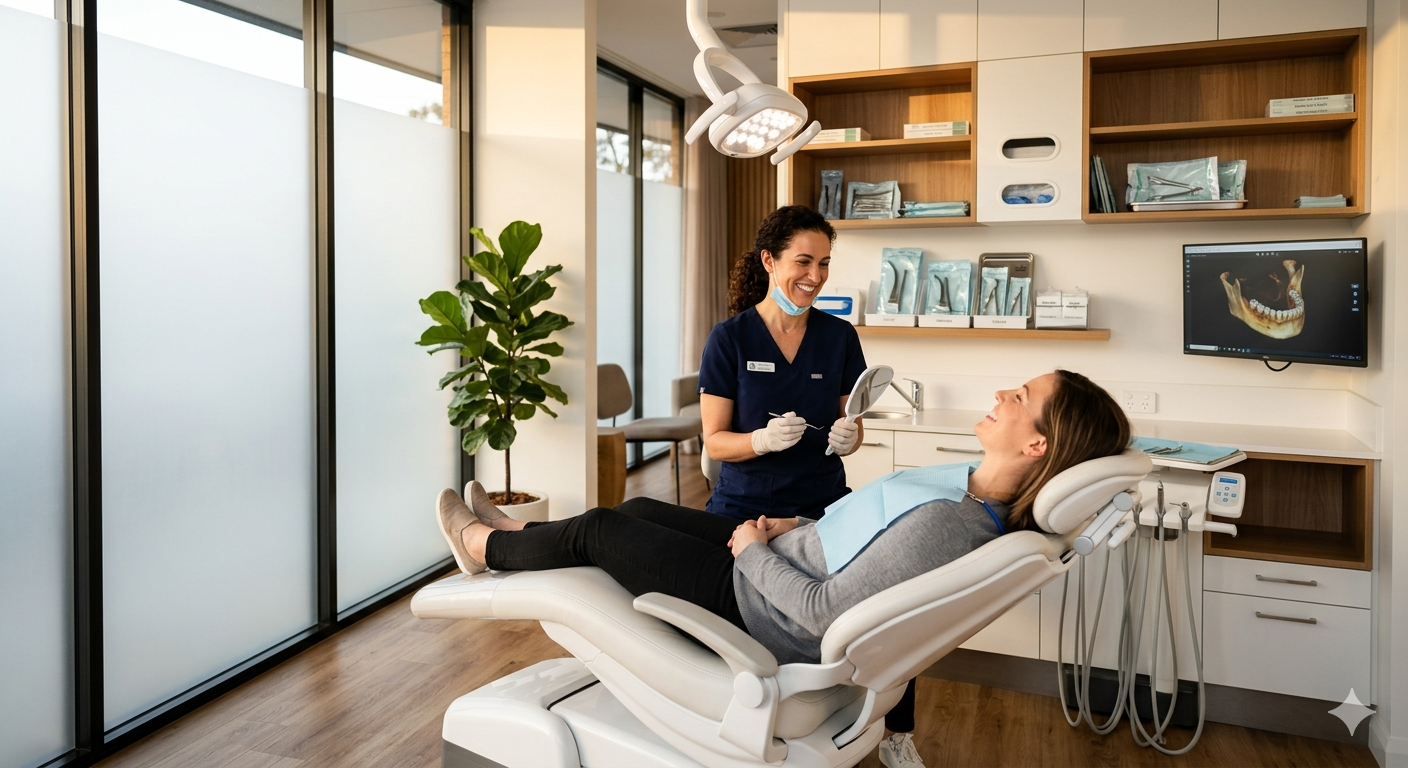
Modern cosmetic dentistry improves appearance, oral function, and long-term dental health through predictable techniques and tailored plans. Patients can expect more natural-looking restorations, quicker procedures, and options that preserve healthy tooth structure.
Boosting Confidence Through Your Smile
A whiter, straighter smile changes how people present themselves in work and social situations. Porcelain veneers and clear aligners correct stains, chips, and minor misalignment with results that mimic natural enamel.
These treatments focus on proportion and symmetry, not just brightness, so smiles look balanced with facial features. Cosmetic bonding repairs small defects in one visit, while full-mouth restorations address severe wear or multiple missing teeth for a consistent outcome.
Many patients report clearer speech and more willingness to smile after treatment. Dentists in Orange, CA, often show digital previews so patients can approve shape and shade before any irreversible work begins.
Health Advantages Beyond Appearance
Cosmetic procedures often reduce risks that cause pain or tooth loss. Closing gaps and straightening teeth with aligners improves cleaning access, lowering the risk of gum disease and decay.
Replacing missing teeth with implant-supported crowns restores bite force and prevents neighboring teeth from drifting. This preserves jawbone health and reduces long-term restorative needs.
Restorations that rebuild worn teeth redistribute bite forces evenly, decreasing TMJ strain and sensitivity. Many modern materials resist staining and wear, which keeps restorations functional and hygienic for years.
Personalized Treatment Approaches
Dentists assess bite dynamics, gum health, facial proportions, and patient goals to design individualized plans. Many practices use intraoral scanners and 3D imaging to create precise restorations and clear-aligner setups.
Treatment choices range from conservative options—whitening, bonding, enamel reshaping—to comprehensive plans combining orthodontics, implants, and prosthetics. Providers often stage care: stabilize health first, then focus on aesthetics.
Transparent cost estimates, financing options, and visual treatment simulations help patients make informed decisions. Follow-up care and preventive maintenance plans ensure results last and support oral comfort and function.
Popular Treatments Available in Orange, CA
Patients in Orange can choose several targeted cosmetic treatments that improve tooth color, shape, and minor alignment issues. Options range from quick in-office procedures to longer-lasting restorations, and many practices prioritize comfort, predictable results, and conservative care.
Teeth Whitening Solutions
Teeth whitening in Orange commonly includes two main approaches: in-office power whitening and dentist-supervised take-home trays. In-office whitening uses a professional-strength peroxide gel activated by light or heat to lift deep stains in one 45–90 minute visit, producing noticeable results after a single appointment.
Take-home trays use custom-fitted acrylic or flexible trays with lower-concentration peroxide gel applied daily for 1–2 weeks. These trays allow patients to control sensitivity and touch up results later.
Key points to compare:
- Speed: in-office (single visit) vs. trays (several days to weeks).
- Sensitivity: professional options include desensitizing agents and staggered treatments.
- Longevity: results last months to a few years depending on diet and habits (coffee, red wine, smoking).
A consultation typically includes shade assessment, discussion of expectations, and screening for restorations that won’t whiten (crowns, veneers).
Porcelain Veneers for Lasting Results
Porcelain veneers offer a durable, esthetic solution for discoloration, chips, gaps, or mildly misshapen teeth. Treatment usually requires two to three visits: initial consultation and smile design, conservative enamel reduction with impressions, then bonding of hand-layered or pressed porcelain veneers.
Veneers mimic natural enamel in translucency and resist staining better than composite. They typically last 10–15 years when bonded correctly and cared for with good oral hygiene and routine dental visits.
Practical considerations:
- Tooth preparation: minimal to moderate enamel removal depending on goals.
- Maintenance: avoid high-risk habits (biting hard objects) and use nightguards if grinding is present.
- Cost and permanence: veneers are more expensive and semi-permanent; replacement may be needed over time.
A thorough smile design review and digital mock-up help set realistic expectations before irreversible steps.
Dental Bonding for Minor Corrections
Dental bonding uses tooth-colored composite resin to repair small chips, close narrow gaps, or reshape edges with minimal tooth removal. Most bonding cases finish in a single 30–60 minute visit, making it a cost-effective, conservative choice for quick improvements.
The dentist roughens the enamel, applies an adhesive, sculpts the resin, and cures it with a light. Polishing creates a natural luster that blends with adjacent teeth.
Benefits and limits:
- Advantages: inexpensive, reversible in many cases, and fast chairtime.
- Drawbacks: composite stains more easily than porcelain and may need touch-ups every 3–7 years.
- Best uses: small cosmetic fixes, temporary solutions before veneers, or repairs after trauma.
Providers will assess bite forces and aesthetic demands to determine whether bonding or a stronger restoration suits the patient better.
Restorative Enhancements for Function and Aesthetics
These treatments repair damage, restore bite function, and match the natural tooth color and shape so patients can chew comfortably and smile confidently.
Natural-Looking Tooth-Colored Fillings
Tooth-colored (composite) fillings bond directly to enamel and dentin, preserving more healthy tooth structure than traditional amalgam. They are matched to the patient’s shade and layered to mimic natural translucency, which matters for front teeth and visible molars.
The procedure typically takes one visit: the dentist removes decay, isolates the tooth, places bonding agent, and sculpts composite resin before curing with a blue light. Composites shrink slightly on curing, so proper layering and finishing are critical to prevent gaps and sensitivity.
Composites handle everyday chewing well for small- to medium-sized cavities. They may wear faster than ceramic on large restorations, so the clinician will recommend alternatives when bite forces or cavity size warrant a crown or inlay. Patients benefit from fluoride toothpaste and regular check-ups to extend restoration life.
Durable Ceramic Crowns
Ceramic crowns fully cover weakened or fractured teeth and restore function, alignment, and appearance. All-ceramic materials such as zirconia and lithium disilicate combine strength with lifelike translucency, making them ideal for both posterior and anterior teeth.
Preparation usually involves minimal reduction of the damaged tooth, digital scans or impressions, and either same-day CAD/CAM milling or lab fabrication. The dentist tries temporary crowns when occlusion or esthetics need verification before final cementation.
Ceramic crowns resist staining and, with proper oral hygiene, often last 10–15 years or longer. Patients with bruxism may need night guards to protect crowns. Material choice, margin fit, and occlusal adjustment determine comfort and longevity.
Dental Bridges for Missing Teeth
Fixed dental bridges replace one or more missing teeth by anchoring a prosthetic tooth (pontic) to adjacent teeth or implants. Traditional bridges use crowns on neighboring teeth; implant-supported bridges avoid altering healthy teeth and provide superior long-term support.
Bridge design depends on location, number of missing teeth, and bone quality. For a three-unit bridge replacing one molar, two adjacent teeth receive crowns; for larger spans or long-term stability, implants are planned with CT imaging and staged healing before final restoration.
Maintenance includes daily flossing under the pontic (using floss threaders or water flossers) and routine checkups to monitor abutments and gum health. Properly designed bridges restore chewing efficiency and prevent shifting of remaining teeth when placed and cared for correctly.
Orthodontic Choices for a Straighter Smile
Patients in Orange, CA often weigh treatment time, visibility, and lifestyle needs when choosing orthodontics. Cost, comfort, and expected results guide decisions between clear aligners and fixed appliances.
Clear Aligners for Discreet Treatment
Clear aligners use a series of custom, removable trays to shift teeth incrementally. Providers create a digital treatment plan and fabricate aligners that patients wear about 20–22 hours daily; compliance is key for timely results.
Advantages include near-invisibility, easier oral hygiene, and no dietary restrictions since trays are removed for eating. Typical cases—mild to moderate crowding, spacing, or minor bite issues—respond well; complex movements like significant tooth rotation or vertical changes can require attachments or refinements.
Treatment length ranges from 6 to 24 months depending on complexity. Common trade-offs: slight speech change initially, the need to track wear time, and occasional refinement phases. Most practices in Orange offer scanning instead of impressions and periodic progress checks every 6–10 weeks.
Traditional Braces Versus Modern Options
Traditional braces use brackets and archwires bonded to teeth to deliver precise forces, making them reliable for complex misalignments and major bite corrections. Orthodontists often favor them for severe crowding, impacted teeth, or multi-planar movements that aligners struggle to achieve.
Modern alternatives include ceramic (tooth‑colored) brackets, self-ligating systems that reduce friction and chair time, and lingual braces hidden on the tongue side. Each option balances aesthetics, cost, and maintenance: ceramic looks better but can be more brittle; lingual is invisible but may affect speech more initially.
Patients should expect adjustments every 4–8 weeks and meticulous oral care to avoid decalcification. Typical treatment spans 12–36 months depending on severity. A consultation with an Orange-area orthodontist will compare timelines, predicted outcomes, and financing to match clinical needs with lifestyle preferences.
Transforming Smiles with Gum Contouring
Gum contouring reshapes excess or uneven gum tissue to reveal more natural tooth proportion and create a symmetrical smile. Patients often seek it to correct a “gummy” smile, even out asymmetry, or prepare gums for restorative work.
Sculpting a Balanced Gum Line
Gum contouring, also called gingival sculpting, removes or repositions soft tissue to expose more tooth surface and balance tooth-to-gum ratios. A dentist evaluates lip line, tooth length, and bone position before treatment and may take photos and periodontal measurements to plan the ideal contours.
The procedure can be done with local anesthetic; sedation options are available for anxious patients. Recovery usually involves mild swelling and short-term sensitivity — most people return to normal activities within a day or two.
Candidates include those with excessive gingival display, uneven gum margins after orthodontics, or short-looking front teeth. Risks are low when performed by a trained clinician, though follow-up care and good oral hygiene are essential to prevent recession or infection.
Laser Techniques for Comfortable Care
Diode and erbium lasers allow precise gum reshaping with minimal bleeding and faster healing compared with traditional scalpel methods. Lasers seal small blood vessels and nerve endings as they cut, which reduces post-op discomfort and often eliminates the need for sutures.
Providers use targeted laser settings tailored to tissue thickness and treatment goals; this customization improves outcomes for both cosmetic cases and functional corrections. Typical appointments last 30–60 minutes depending on the number of teeth treated.
Aftercare includes gentle brushing, saltwater rinses, and short-term pain control with OTC analgesics. A follow-up visit checks healing and addresses any sensitivity, and dentists often coordinate laser contouring with whitening or veneers for a complete smile makeover.
Choosing a Trusted Cosmetic Dentist in the Community
Patients should look for dentists who combine formal training, a strong local reputation, and clear patient communication. Practical factors like office location, hours, and financing options also affect access to care and comfort.
Qualifications and Experience Matter
They should verify a dentist’s credentials: a DDS or DMD degree, state licensure, and any additional certificates in cosmetic procedures such as veneers, Invisalign, or whitening. Memberships in professional bodies like the American Academy of Cosmetic Dentistry (AACD) signal ongoing education, while fellowship or postgraduate training in prosthodontics or orthodontics indicates deeper specialization.
Reviewing a dentist’s portfolio helps. Before-and-after photos of real Orange, CA patients demonstrate technique, esthetic style, and consistency. Ask how many of a specific procedure the dentist performs monthly; higher volume usually means greater efficiency and predictable results.
Also consider office staff experience and facility technology. In-house digital imaging, CAD/CAM milling, and CBCT scans improve planning and reduce surprises. Confirm infection-control practices and whether the practice offers sedation options for anxious patients.
What to Expect During Your Consultation
A typical consultation starts with a medical and dental history review, then targeted imaging like digital X-rays and intraoral photos. The dentist will perform an oral exam, evaluate bite and gum health, and note any restorative work that affects cosmetic choices.
They will discuss specific goals using visual aids and may create a digital mock-up or temporary veneers to preview outcomes. Treatment timelines, step-by-step procedures, and recovery expectations get outlined clearly, including potential risks and alternatives.
Cost and payment details should appear in writing. The consultation should include a breakdown of fees, financing plans, insurance limitations, and any follow-up or maintenance appointments required. Patients should leave with a tailored treatment plan and clear next steps for scheduling or asking questions.
Financing and Planning Your Cosmetic Dental Journey
Patients should know typical costs, payment methods, and insurance limits before scheduling procedures. Understanding timelines for treatment and financing options helps avoid surprises and keeps the plan on track.
Understanding Payment Options
Most Orange, CA practices accept cash, major credit cards, and debit cards for cosmetic treatments like veneers, Invisalign, or teeth whitening. Many offices offer in-house payment plans that split costs into 3–12 monthly installments with little or no interest.
Third-party medical lenders such as CareCredit and LendingClub Patient Solutions provide longer-term financing (6–60 months); patients should compare interest rates and monthly payments before applying. Some dentists give courtesy discounts for full upfront payment or for combining multiple procedures into one treatment plan.
Ask the practice for a written cost estimate that lists lab fees, follow-up visits, and potential additional procedures. Clarify refund or adjustment policies in case of complications or changes in treatment scope.
Dental Insurance Considerations
Most cosmetic procedures—purely elective veneers, elective whitening, and aesthetic bonding—are not covered by standard dental insurance plans. However, procedures with restorative benefits (crowns that restore tooth function, orthodontics correcting bite issues) may receive partial coverage.
Patients should obtain a pre-treatment benefit estimate from their insurer and request itemized codes (CDT codes) from the dentist to submit for reimbursement. Flexible Spending Accounts (FSAs) and Health Savings Accounts (HSAs) often allow pre-tax funds to be used for treatments with a dental necessity letter; patients should check plan rules and obtain documentation.
If insurance denies coverage, ask the dental office to resubmit with supporting clinical notes or to file an appeal. Practices in Orange, CA frequently help patients verify benefits and outline the most cost-effective sequence of procedures.
Maintaining Your New Smile for Years to Come
Good oral habits and timely professional care protect cosmetic work and natural teeth. Consistent brushing, flossing, targeted home care, and regular dentist visits keep veneers, crowns, and whitening results looking their best.
Tips for Healthy Oral Care at Home
They should brush twice daily with a soft-bristled toothbrush and a fluoride toothpaste, using gentle circular motions for two minutes each time. Electric toothbrushes with timers help ensure consistent coverage and reduce abrasive pressure on restorations.
Daily interdental cleaning matters: floss, interdental brushes, or water flossers remove plaque between teeth and around crowns or implants. For veneers, avoid using teeth as tools and minimize hard or sticky foods that can chip margins.
For whitening maintenance, use touch-up kits or whitening toothpaste recommended by the dentist to prevent noticeable staining. If the patient grinds teeth, a custom night guard prevents wear on veneers and crowns and reduces implant complications. Use alcohol-free antiseptic rinses when recommended to avoid drying or weakening bonding materials.
They should report any sensitivity, looseness, or chips immediately so the dentist can evaluate and repair issues before they worsen.
Scheduling Routine Dental Checkups
They need a dental exam and cleaning every 3–6 months based on risk factors like gum disease, smoking, or past decay. Frequent professional cleanings remove tartar that home care cannot, protecting margins of crowns and veneers from decay and staining.
During checkups, the dentist assesses bite, restoration fit, and gum health and takes periodic x-rays to monitor bone levels around implants. Technicians perform careful polishing and stain removal using non-abrasive pastes tailored to cosmetic work.
Patients with bonded or cemented restorations may require more frequent visits for maintenance or rebonding. The dental team can also provide personalized home-care adjustments, whitening touch-ups, or a replacement plan if restorations reach end of service life.
They should schedule appointments in advance and keep reminders to maintain results and catch small problems early.
Taking the Next Step Toward Your Dream Smile
They should start by scheduling a consultation with a trusted Orange, CA cosmetic dentist to discuss goals and concerns. A short exam and photos help the dentist recommend realistic options like whitening, veneers, implants, or Invisalign.
Patients often worry about cost and downtime; the dentist can explain financing, insurance compatibility, and expected recovery in plain terms. Many practices offer payment plans and phased treatment to spread care over time.
A simple checklist helps prepare for the visit:
- Bring photos of the desired smile and a list of questions.
- Note medical history and current medications.
- Be ready to discuss budget and timeline preferences.
The dentist will present a tailored plan, often with before-and-after simulations or models. They will review risks, benefits, and maintenance needs so patients understand long-term care for results.
Comfort matters during any procedure; modern offices use sedation options and minimally invasive techniques when appropriate. They prioritize patient comfort and clear communication at every step.
For readers considering a change, calling the office or requesting an online consultation starts the process. They should ask about a preliminary exam, treatment timeline, and follow-up care to feel confident moving forward.
Frequently Asked Questions
This section answers common concerns about stains, chips, gaps, choosing a dentist, treatment differences, whitening longevity, comfort during procedures, and the practical 3-3-3 rule for daily care.
What cosmetic dentistry treatments can help improve my smile if I have stains, chips, or small gaps?
Teeth whitening removes surface and some deeper stains quickly with in-office or take-home kits tailored by the dentist.
Dental bonding repairs small chips and fills tiny gaps using tooth-colored resin applied and shaped in one visit.
Porcelain veneers cover one or more front teeth to correct color, shape, and minor spacing issues for a longer-lasting esthetic change.
Orthodontic options like clear aligners or braces move teeth to close larger gaps or correct alignment before or instead of cosmetic restorations.
How do I choose the right cosmetic dentist for my goals and comfort level?
Look for a dentist with specific cosmetic experience, before-and-after photos, and patient testimonials showing similar cases.
Confirm they use modern materials and technologies such as digital imaging, shade matching, and minimally invasive techniques.
Ask about sedation options, pain management protocols, and whether the office offers a detailed treatment plan with costs and timelines.
Schedule a consultation to evaluate communication style, how the dentist explains risks and alternatives, and whether they prioritize patient comfort.
What’s the difference between veneers, bonding, and crowns—and which one is usually best for my situation?
Bonding is a conservative, cost-effective fix for small chips or gaps that lasts 3–10 years with proper care.
Veneers are thin porcelain shells bonded to the front of teeth; they resist stains and typically last 10–15+ years when placed on healthy tooth structure.
Crowns cover the entire tooth and provide strength when a tooth is cracked, heavily filled, or weakened; they last 10–15+ years depending on wear and care.
The best option depends on tooth health, extent of damage, esthetic goals, budget, and longevity desired; a dentist will recommend the least invasive choice that meets the patient’s goals.
How long do teeth whitening results typically last, and what can I do to keep them bright?
In-office whitening often delivers results that last 6–24 months, while take-home maintenance trays can extend longevity.
Avoid staining foods and drinks like coffee, red wine, and tobacco; rinse after consumption and use a straw for beverages when possible.
Use touch-up gel in custom trays every few months as recommended by the dentist and maintain regular cleanings to remove surface buildup.
Good oral hygiene and periodic professional maintenance preserve shade longer than whitening alone.
Are modern cosmetic dental procedures painful, and what options can help me stay comfortable during treatment?
Most cosmetic procedures cause minimal discomfort because dentists use local anesthesia, topical numbing, and gentle techniques.
For anxious patients, nitrous oxide (laughing gas), oral sedatives, or IV sedation may be available depending on the office and procedure.
Post-procedure sensitivity can occur after whitening or bonding and usually subsides in days with desensitizing toothpaste and over-the-counter pain relievers.
Discuss pain-control preferences and medical history ahead of time so the dentist tailors a comfort plan.
What is the 3-3-3 dental rule, and how can it help me protect my smile between visits?
The 3-3-3 rule recommends brushing three minutes, three times a day, using a soft-bristled brush and fluoride toothpaste.
It also suggests replacing the toothbrush every three months or sooner if bristles fray.
Following this routine reduces plaque, limits staining, and supports the longevity of cosmetic work like veneers and bonding.
Combine the rule with daily flossing and twice-yearly dental cleanings for the best protection.
If they want personalized advice or a treatment plan, encourage them to call the dental office for a consultation.
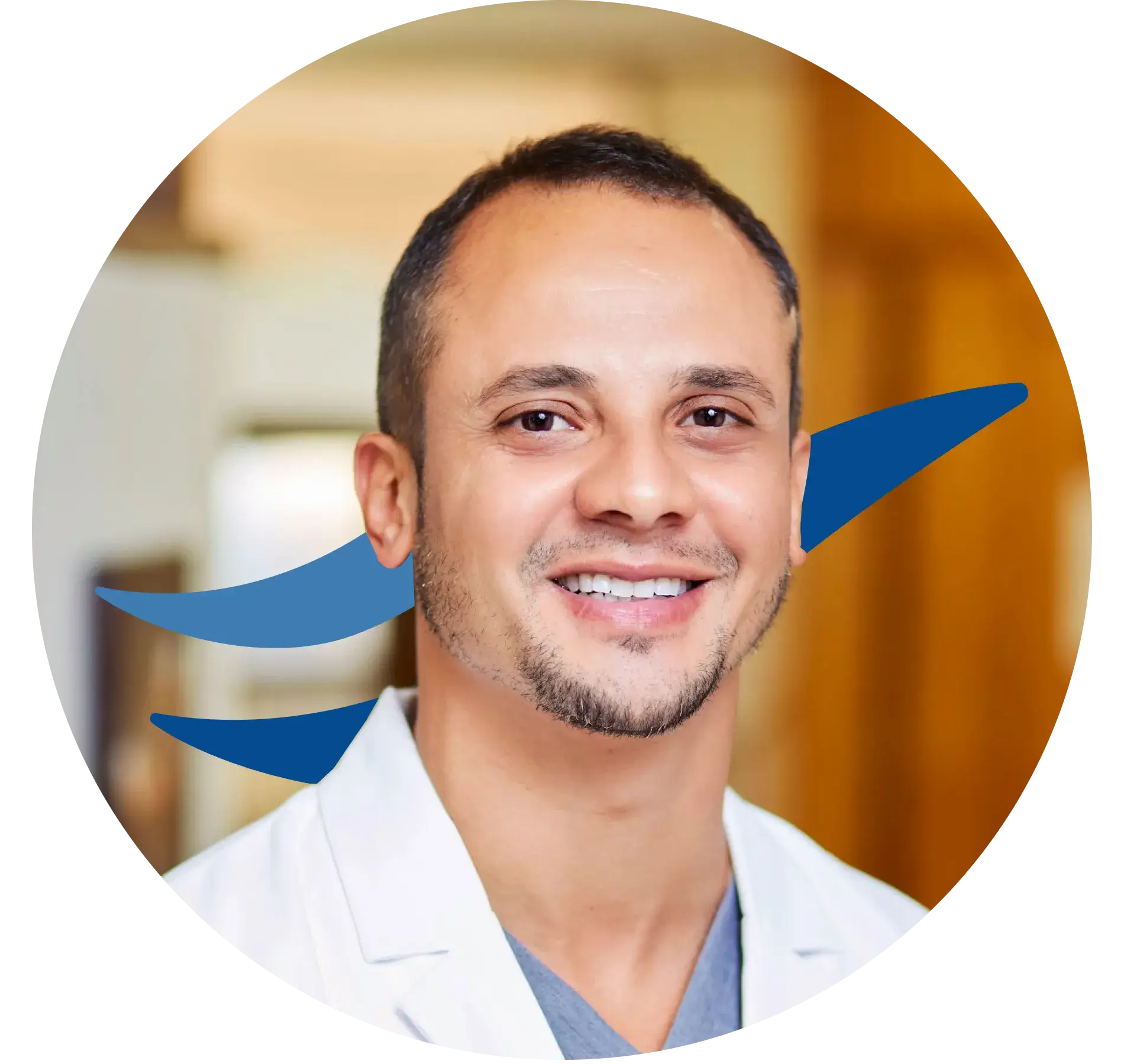
Dr. Shierf Elgamal is the lead dentist at Orange Premier Dental in Orange County. A graduate of Loma Linda University School of Dentistry (2013), he has extensive experience across all areas of general dentistry and is dedicated to providing patients with honest, straightforward care. Over the years, Dr. Elgamal has worked in multiple practices, gaining valuable skills that he now brings to his own clinic.