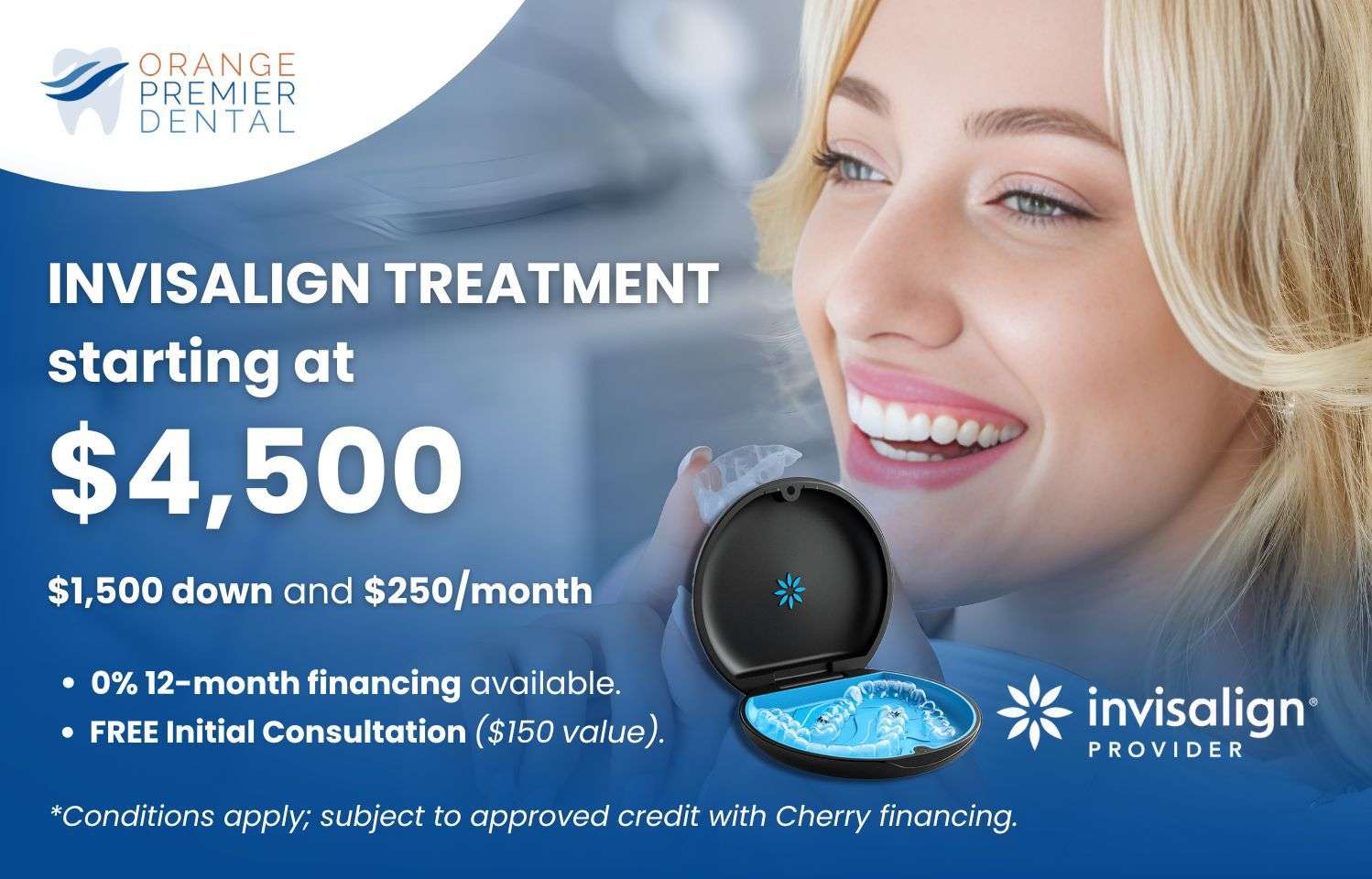
Many people in Orange, CA, wonder how much braces will cost when considering orthodontic treatment. The average cost of braces in Orange typically ranges from $3,000 to $7,000, depending on the type and length of treatment. Factors such as the choice between metal, ceramic, or clear aligners and the complexity of the case influence the final price.
Patients often feel unsure about what to expect, especially with so many options available today. Orthodontists in Orange offer flexible payment plans and work closely with insurance providers to make braces more affordable. Understanding these details helps people feel more confident about starting their journey to a healthier smile.
Types of Braces Available in Orange CA
Patients seeking orthodontic care in Orange, CA, have multiple options tailored to different needs, preferences, and budgets. Each type offers unique advantages regarding appearance, comfort, and treatment time.
Traditional Metal Braces
Traditional metal braces remain the most common and cost-effective option in Orange. They consist of stainless steel brackets attached to the teeth with metal wires that are periodically tightened. These braces are highly durable and effective for correcting complex dental issues like overcrowding or bite misalignment.
While they are the most noticeable type, many patients appreciate the option to add colored elastics for a personalized look. Metal braces typically require regular adjustments every 4-6 weeks. They are often the fastest way to achieve significant dental corrections, especially for teenagers and active adults.
Ceramic Braces
Ceramic braces use tooth-colored or clear brackets, making them less visible than metal braces. They function similarly to traditional braces but offer a more discreet appearance, which many adults prefer. However, ceramic brackets can be more fragile and slightly larger, so careful maintenance is important.
These braces usually cost more than metal ones but offer a good balance between visibility and effectiveness. They work well for moderate to severe corrections and require regular visits to ensure the brackets remain intact. Patients should avoid foods and drinks that stain, as the elastic ties can discolor over time.
Lingual Braces
Lingual braces are metal braces placed behind the teeth, hidden from view. This makes them appealing for those wanting a completely invisible treatment. They work like traditional metal braces but may cause some initial tongue discomfort or speech adjustments.
Not all orthodontists in Orange offer lingual braces due to their technical demands. Treatment costs can be higher because of the specialized application. Lingual braces are suited for patients with complex alignment needs who prioritize invisibility over comfort during the adjustment period.
Clear Aligners
Clear aligners such as Invisalign are removable plastic trays that gradually shift teeth without wires or brackets. They are nearly invisible and allow patients to eat, brush, and floss normally, which promotes oral hygiene. Aligners are popular among adults and teens who want flexible, discreet treatment.
They require discipline to wear 20-22 hours daily and need to be replaced every 1-2 weeks. Clear aligners work best for mild to moderate tooth movement. The cost tends to be higher than traditional braces but offers convenience and aesthetics that many patients find worthwhile.
Factors That Affect Braces Pricing
Several important factors influence the cost of braces in Orange, CA. These include how complex the orthodontic issues are, how long the treatment will last, the expertise level of the orthodontist, and even the specific location of the office within the city.
Complexity of Orthodontic Needs
The type and severity of dental misalignment play a big role in pricing. Simple cases, like minor crowding or spacing, usually cost less. More severe issues—such as crooked teeth combined with bite problems—require extra time and specialized adjustments, raising the price.
In cases involving jaw irregularities or the need for additional appliances, costs can increase due to more frequent visits and personalized care. Patients with special needs or complicated bite patterns may also require advanced braces types, which come with higher fees.
Treatment Duration
The longer the braces need to be worn, the higher the total cost tends to be. Typical treatment can last from 12 to 36 months, depending on the individual case.
Extended treatment means more office visits for adjustments, which adds to expenses. Delays in treatment or missed appointments can also lengthen the timeline, increasing overall costs. Some patients might qualify for shorter, faster options, usually at different price points.
Orthodontist Experience
Experienced orthodontists often charge more for their services. Their expertise can translate into more effective treatment plans and fewer complications.
Highly trained specialists may also use newer technology or advanced braces options, which can affect cost. While less experienced providers might offer lower prices, patients should weigh this against the quality and comfort of care they will receive.
Office Location Within Orange CA
The cost of braces can vary across different neighborhoods in Orange, CA. Offices located in central or upscale areas typically have higher fees due to rent and operating costs.
In contrast, suburbs or less expensive parts of the city might offer more affordable treatment without sacrificing quality. Patients should consider proximity and convenience but also remember that location can influence pricing.
Typical Price Ranges for Braces
Braces costs in Orange, CA vary depending on the type of braces, local market conditions, and payment plans offered. Understanding these factors helps patients plan their budget for orthodontic treatment with confidence.
Average Costs by Braces Type
Traditional metal braces typically cost between $3,000 and $7,000 in Orange. They are the most common and usually the most affordable option. Ceramic braces, which blend in with teeth, range from $4,000 to $8,000 due to their aesthetics and material costs.
Clear aligners, like Invisalign, generally start around $4,000 and can go up to $8,500 depending on treatment complexity. Lingual braces, which are placed behind the teeth, are the priciest, often costing $8,000 to $10,000 because of their customization and discreet nature.
Cost Comparisons With Nearby Areas
Prices in Orange are fairly consistent with neighboring cities like Anaheim and Santa Ana, where brackets and aligners fall within similar ranges. Slight variations occur, often due to differences in office overhead or specialist availability.
For example, Anaheim might offer metal braces closer to $2,800, while Santa Ana can see slightly higher fees around $7,000 for ceramic options. Checking multiple offices ensures patients find the best value alongside quality care.
Down Payments and Payment Structures
Most orthodontists in Orange require a down payment between $500 and $2,000 before starting treatment. This up-front cost secures appointment scheduling and covers initial fittings.
Monthly payment plans are common, spreading total costs over 12 to 36 months. Some offices offer interest-free financing options, making treatment more affordable. Patients are encouraged to ask about flexible plans and insurance billing to reduce out-of-pocket expenses.
What’s Included in Braces Treatment Costs
Braces treatment costs cover several important stages, from the very first visit to the ongoing care after braces come off. Each part plays a key role in ensuring effective and comfortable teeth alignment.
Initial Consultation and X-rays
The initial consultation allows the orthodontist to evaluate teeth, bite, and jaw alignment. During this visit, X-rays, photographs, and impressions or digital scans of the teeth are taken. These diagnostic tools help create a personalized treatment plan tailored to the patient’s needs.
Costs at this stage typically include the comprehensive exam and all diagnostic imaging. This step sets the foundation, making it critical for accurate treatment and cost estimates. Some offices may offer this consultation for free or as part of the full treatment price.
Adjustments and Office Visits
Braces require regular adjustments every 4 to 8 weeks to tighten wires and guide teeth into proper position. Each visit includes professional evaluation, wire changes, and sometimes the placement of additional appliances like elastics or springs.
These office visits are factored into the total cost because ongoing care is essential. They ensure progress stays on track and address any discomfort or issues promptly. Some practices include these adjustment fees in the overall treatment cost; others charge separately.
Retainers and Follow-Up Care
After braces removal, retainers help maintain the new teeth position. Usually, patients receive a set of retainers—either removable or fixed—as part of the treatment plan. Follow-up visits monitor how well the teeth are stabilizing and check for any relapse.
Costs in this phase cover the fabrication of retainers and at least one follow-up exam. Proper post-treatment care is important to protect the investment in braces and keep that smile aligned long-term.
Dental Insurance and Payment Plans
Understanding how dental insurance and payment plans work can make getting braces more affordable. Many families can use benefit options and flexible financing to manage costs comfortably.
Insurance Coverage and Benefits
Most dental insurance plans offer partial coverage for braces, especially for patients under 18. Typically, insurance covers 25% to 50% of orthodontic treatment costs, depending on the policy.
Some plans have a lifetime maximum benefit specifically for braces, often between $1,000 and $3,000. This means once that limit is reached, any additional costs are out of pocket.
Parents should check if pre-authorization is required before starting treatment to avoid unexpected expenses. It also helps to confirm if the insurance covers early or adult orthodontics, as benefits can vary widely.
Financing Options for Families
Many orthodontic offices in Orange, CA, offer in-house payment plans that break down the total cost into smaller monthly payments. These plans often require little or no interest, making it easier to budget.
Third-party financing companies like CareCredit provide additional flexible options. CareCredit allows patients to spread out payments over 6 to 24 months, sometimes with promotional interest-free periods.
Families should compare different plans based on interest rates, terms, and how soon payments begin. Transparent communication with the orthodontist’s office can help find the best fit.
Using Flexible Spending Accounts
Flexible Spending Accounts (FSAs) and Health Savings Accounts (HSAs) are tax-advantaged funds that can be used for orthodontic treatment. Contributions to these accounts reduce taxable income, making them a smart way to pay for braces.
Patients can use FSA or HSA funds to cover copays, deductibles, and any remaining treatment balance. It’s important to check annual contribution limits—FSAs usually have a lower cap than HSAs.
Because FSAs have a “use-it-or-lose-it” rule, families should plan treatment timing carefully to maximize available funds before they expire. Consulting with a tax advisor or benefits administrator can provide personalized guidance.
Savings Tips for Orange CA Residents
Finding ways to reduce the cost of braces can make treatment more accessible. Residents of Orange can explore specific offers and local programs that ease financial concerns while ensuring quality care.
Seasonal Promotions and Discounts
Many orthodontic offices in Orange CA offer seasonal discounts, especially during back-to-school periods or holidays like Christmas and summer break. These promotions often include reduced initial consultation fees or discounted full treatment packages.
Some practices provide limited-time specials on clear aligners or traditional braces, which can save patients hundreds of dollars. It’s also common for clinics to offer flexible payment plans or sliding scales based on income during these times.
To take advantage of these deals, patients should check local office websites or contact their orthodontist directly. Signing up for newsletters or following clinics on social media can alert patients to upcoming promotions and exclusive discounts.
Community Dental Programs
Community dental programs in Orange CA offer financial support or low-cost orthodontic care for eligible residents. These programs often focus on children and teens but may extend help to adults in some cases.
For example, some nonprofit organizations and clinics collaborate with local schools to provide screenings and subsidized braces. These initiatives aim to cover part of the cost or offer payment plans with little to no interest.
Residents can also explore government assistance programs or dental insurance plans accepted by community providers. Checking with the Orange County Health Care Agency or local dental societies can connect patients to appropriate resources tailored to their needs.
Choosing the Right Orthodontist in Your Community
Finding the right orthodontist in Orange, CA, starts with considering experience and patient care. A skilled orthodontist not only provides expert treatment but also makes sure patients feel comfortable throughout the process. Look for someone who listens and explains options clearly.
Location and office environment matter too. A nearby clinic with friendly staff and modern equipment can make appointments easier and less stressful. It’s helpful if the practice offers flexible scheduling or payment plans to fit your needs.
Checking credentials ensures you’re seeing a qualified professional. Board certification and positive patient reviews show reliability. Visiting a few orthodontists for consultations can give a better sense of their approach and how they treat patients.
Here’s a quick checklist to use when choosing an orthodontist:
| Factor | What to Look For |
|---|---|
| Credentials | Board-certified, licensed |
| Patient Experience | Comfort, clear communication |
| Technology | Clear aligners, digital X-rays |
| Convenience | Location, flexible hours, payment options |
| Reviews | Positive feedback from local patients |
When patients choose thoughtfully, they often have a smoother and more positive experience. Encouraging questions and discussing concerns during visits helps build trust and confidence. It’s always a good idea to schedule a consultation to explore treatment plans and costs before deciding.
Frequently Asked Questions
Braces costs can vary depending on insurance, payment plans, age, and treatment complexity. Understanding what’s included in the price and typical expenses with or without insurance can help families plan better.
How much do braces typically cost with dental insurance, and what does insurance usually cover?
With dental insurance, braces often cost between $3,000 and $5,000. Most plans cover about 50% of orthodontic treatment for patients under 18.
Insurance usually covers initial exams, adjustments, and part of the hardware, but always check the specific policy details.
What is the average monthly payment for braces, and do most orthodontists offer payment plans?
Monthly payments generally range from $100 to $300, depending on the total cost and payment length.
Most orthodontists offer flexible payment plans to make treatment affordable, often requiring little to no interest.
How much do braces cost without insurance, and what factors make the price go up or down?
Without insurance, braces typically cost $5,000 to $7,500. The price depends on the type of braces, treatment length, and complexity.
More advanced treatments or additional appliances can increase costs, while simpler cases may cost less.
How much do braces usually cost for a 10–13 year old, and does age change the overall treatment cost?
For 10–13 year olds, costs often fall within the average range but tend to be on the lower end with early treatment.
Age can affect treatment length; younger patients might need more time but benefit from easier tooth movement, influencing overall pricing.
Is $10,000 a normal price for braces, or should I ask for a second opinion?
$10,000 is high but may be normal for certain advanced treatments like clear aligners or less visible braces.
If unsure, it’s wise to get a second opinion to understand options and price breakdowns.
What’s included in the quoted price for braces—adjustments, retainers, emergency visits, and follow-ups?
Most quotes include the initial consultation, braces placement, periodic adjustments, and a set of retainers.
Emergency visits and extra appliances may sometimes cost extra, so it’s important to clarify these details upfront.
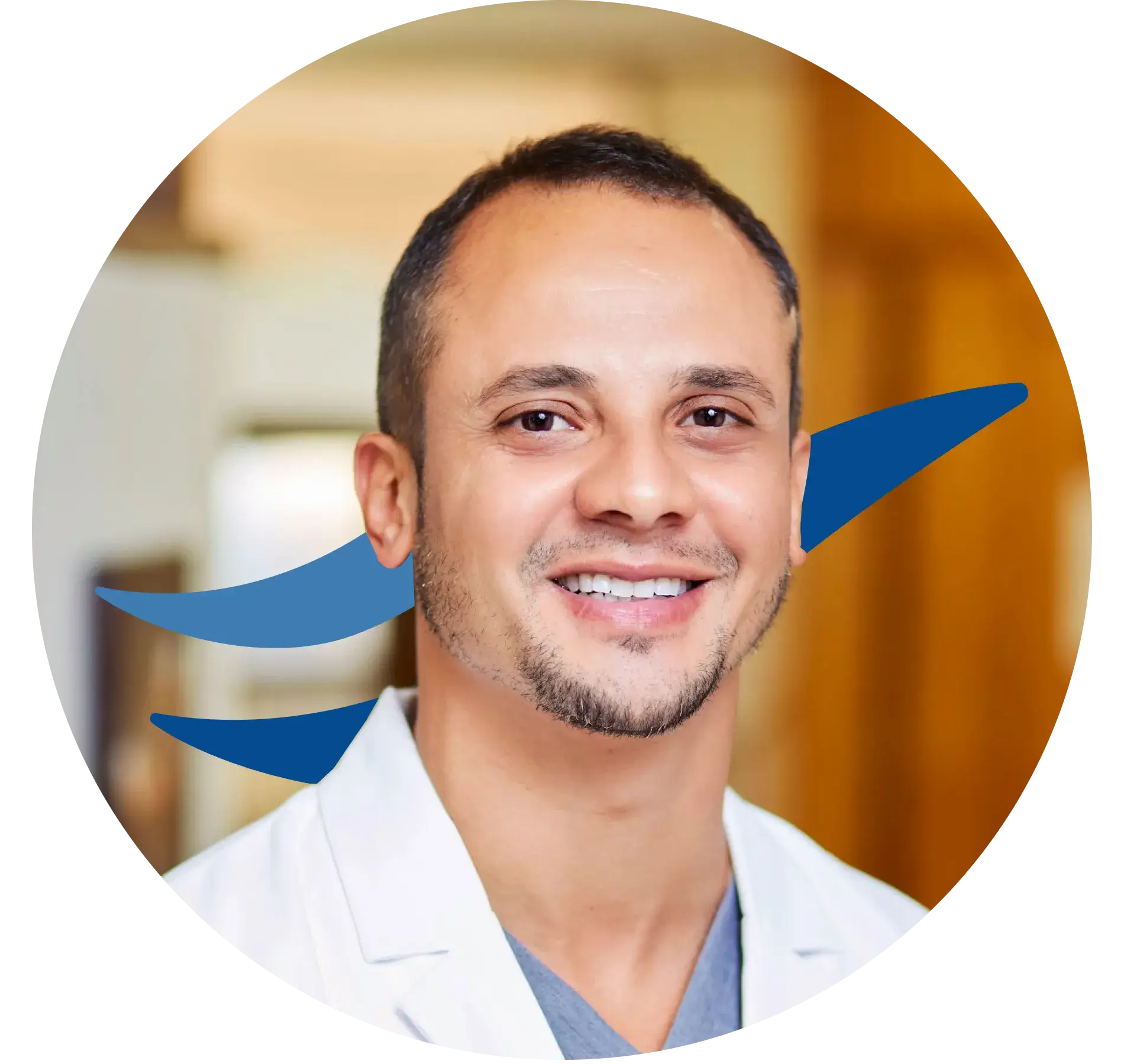
Dr. Shierf Elgamal is the lead dentist at Orange Premier Dental in Orange County. A graduate of Loma Linda University School of Dentistry (2013), he has extensive experience across all areas of general dentistry and is dedicated to providing patients with honest, straightforward care. Over the years, Dr. Elgamal has worked in multiple practices, gaining valuable skills that he now brings to his own clinic.