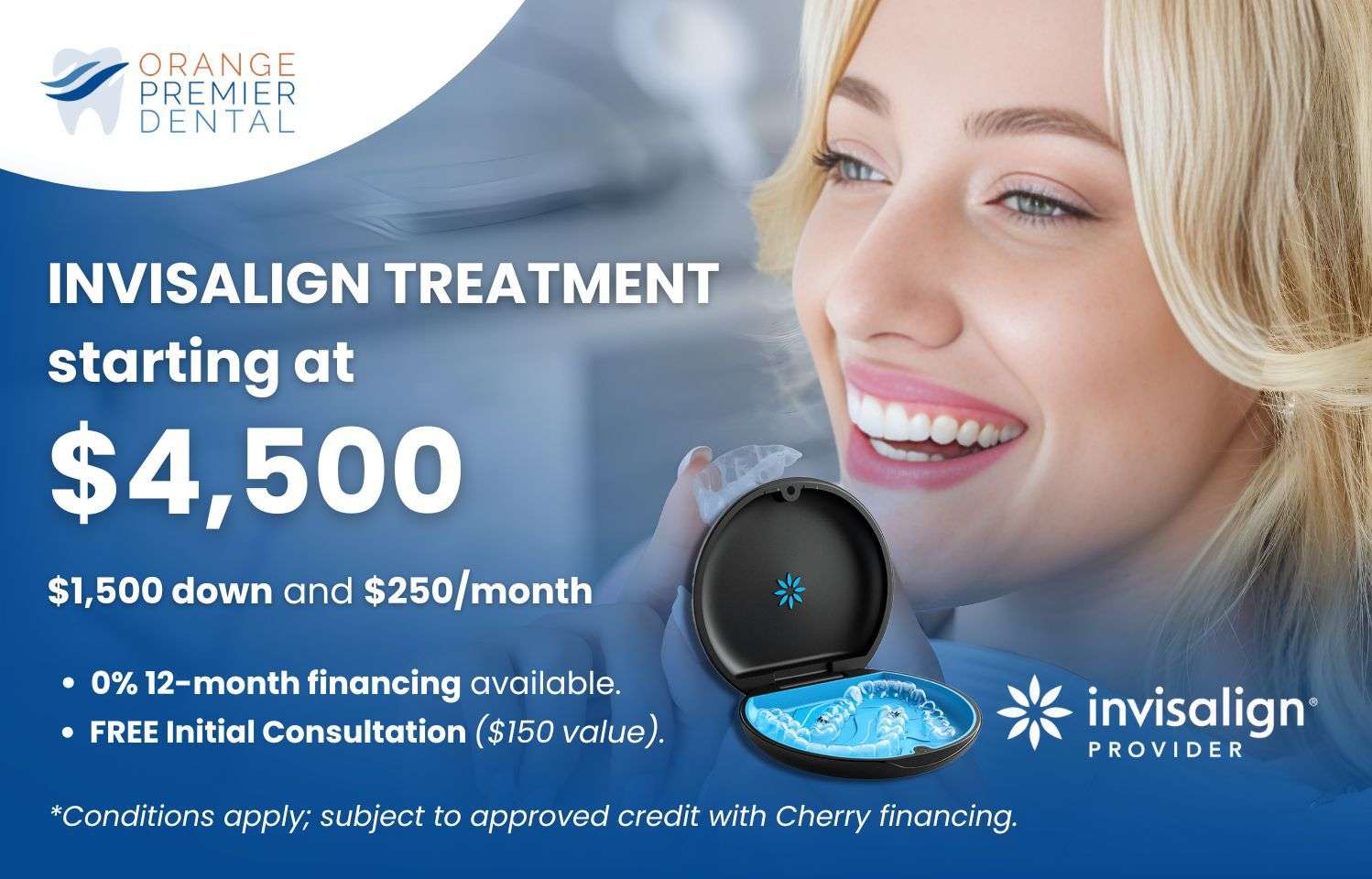
Invisalign in Orange, CA offers a modern, discreet way to straighten teeth without the hassle of traditional metal braces. It uses clear, removable aligners that fit comfortably, making it easier for patients to maintain good oral hygiene and enjoy daily life without interruption.
For many in Orange, Invisalign is an effective solution that combines convenience with expert care, helping people achieve a confident smile with minimal discomfort. Local dental professionals customize each treatment plan to ensure it fits the unique needs and lifestyle of their patients, making the process smooth and accessible.
Patients often wonder if Invisalign is the right choice for them, especially regarding how long treatment takes and what to expect. This article will explore those questions, highlighting how Invisalign can fit comfortably into your routine while delivering lasting results.
How Invisalign Works
Invisalign gently moves teeth using a series of clear, removable aligners designed specifically for each patient. This process offers an alternative to traditional braces with more comfort and flexibility.
What Makes Invisalign Different from Braces
Invisalign uses clear plastic aligners instead of metal brackets and wires. This makes them nearly invisible when worn, which many patients prefer for aesthetic reasons. The aligners can be taken out to eat, brush, and floss, allowing better oral hygiene than fixed braces.
Traditional braces often cause discomfort due to wires poking gums or cheeks. Invisalign aligners are smooth and custom-made to fit snugly, reducing irritation. They also require fewer in-office adjustments, saving patients time.
The Step-by-Step Treatment Process
Treatment starts with a consultation where dental impressions and 3D scans are taken. These are used to create a precise treatment plan showing each tooth’s movement over time.
Next, the patient receives a series of aligners, each worn about one to two weeks. Each aligner gradually shifts teeth based on the plan. Regular checkups every six to eight weeks monitor progress and receive the next sets of aligners.
Compliance is important; patients should wear aligners at least 20-22 hours per day for effective results. Most treatments take 12 to 18 months.
How Aligners Are Custom Made for You
After the dental scans, specialized software creates a digital model of the patient’s mouth. This model maps out exact tooth movements needed to achieve the desired alignment. Each aligner is designed with small pressure points to apply the correct force.
The aligners are then manufactured from BPA-free, FDA-approved clear plastic. Custom fit ensures comfort and precise movement. Patients receive all aligners in sets, which means they can progress at home between visits.
This personalized approach helps improve efficiency and patient comfort during the entire treatment.
Benefits of Clear Aligners
Clear aligners offer practical advantages that suit busy lifestyles and aesthetic preferences. They combine ease of use with discreet wear, appealing to people of all ages who want effective teeth straightening without major disruption.
Comfort and Convenience in Daily Life
Clear aligners are custom-fitted from smooth plastic, which reduces irritation compared to traditional braces with brackets and wires. This design minimizes discomfort, especially during the first days of wearing each new set.
They are removable, allowing patients to eat, drink, brush, and floss without restrictions. This avoids common issues with food getting stuck or limitations on diet, making daily oral hygiene easier to maintain.
Treatment visits tend to be quicker and less frequent because no adjustments like wire tightening are needed. This flexibility suits individuals managing tight schedules or seeking minimal office visits.
Discreet Appearance for All Ages
The transparent nature of clear aligners makes them nearly invisible when worn. This subtle look appeals to adults hesitant about the visible appearance of metal braces.
Teenagers also benefit by feeling less self-conscious during social or school activities. The aligners fit snugly and won’t draw unwanted attention, supporting confidence throughout treatment.
Their low profile means people can speak clearly without the lisp sometimes caused by traditional braces. This intangible comfort matters during public speaking, work, or daily conversations.
Who Is an Ideal Candidate
Invisalign works best for people who have specific dental alignment issues and are committed to following a treatment plan. Both teens and adults can benefit when their dental health fits certain guidelines.
Treatable Dental Issues
Invisalign can correct a variety of common issues like mild to moderate crowding, spacing between teeth, and bite problems such as overbite, underbite, and crossbite. It’s especially effective when the problems are not severe enough to require traditional braces.
For example, a patient with slightly crooked front teeth or gaps may see great results. However, complex cases involving major jaw misalignment or severely rotated teeth might need additional dental interventions.
Using clear aligners, the teeth gradually shift into place with controlled pressure. This makes Invisalign a versatile option for many everyday orthodontic concerns.
Age Considerations for Teens and Adults
Both teens and adults can use Invisalign, but the approach differs slightly. For teens, treatment is often timed with the growth of permanent teeth and may include special aligners to accommodate new eruptions. Compliance is important since aligners must be worn 20-22 hours daily.
Adults appreciate Invisalign for its discreet look and comfort. Since their teeth have stopped growing, treatment plans may focus more on bite correction and improving aesthetics. Regular dental check-ups help ensure progress and adjust aligners if needed.
Whether young or older, patients need good oral health before starting. Invisalign is not suitable if there are untreated cavities or gum disease.
What to Expect During Treatment
Invisalign treatment involves consistent daily wear, regular visits to the dentist, and proper care of both the aligners and oral health. Patients can expect a clear schedule and straightforward steps that help guide their progress smoothly.
Wearing Your Aligners
Wearing Invisalign aligners requires commitment. Patients are advised to wear them for 20 to 22 hours per day, removing them only for eating, drinking anything other than water, and oral hygiene.
Aligners are switched out every one to two weeks as the teeth gradually shift into place. The feeling of pressure is normal and signals that the aligners are working.
Sticking to the schedule maximizes results and helps avoid delays. Comfort improves after the first few days with each new set, and any initial soreness usually fades quickly.
Regular Check-Ins with Your Dentist
Scheduled appointments every 4 to 6 weeks allow the dentist to monitor progress and make adjustments if needed. These check-ins ensure the treatment is on track and address any concerns.
During visits, the dentist may provide new sets of aligners or recommend minor changes based on how teeth are responding. X-rays or scans might be taken occasionally to confirm movement is as planned.
These visits are generally brief and offer a good opportunity to discuss any discomfort or questions about the treatment process.
Caring for Your Aligners and Oral Health
Proper care of aligners keeps them clear and effective. Patients should clean their aligners daily using a soft toothbrush and lukewarm water, avoiding hot water that can warp the plastic.
Brushing and flossing teeth after every meal before reinserting aligners prevents plaque buildup and keeps gums healthy. Avoiding sugary or colored drinks with aligners in reduces staining and decay risk.
Storing aligners in their case when not worn helps prevent damage or loss. Good oral hygiene habits throughout treatment support both dental health and successful alignment results.
Results and Success Stories
Invisalign treatment in Orange, CA, frequently delivers reliable results that patients find noticeable and satisfying. Treatment length and outcome can vary depending on individual cases, but positive changes in smile alignment are common when patients follow their plan closely.
Typical Treatment Timelines
Most Invisalign treatments in Orange start to show visible progress within 6 to 12 months. Mild cases, such as minor crowding or spacing, often take closer to 6 months. More complex issues may require 12 to 18 months or a bit longer.
Patients typically visit their dentist every 6 to 8 weeks to check progress and receive new aligners. Consistent wear—20 to 22 hours daily—is crucial for staying on schedule. Skipping or inconsistent use can extend the timeline.
Here’s a quick overview:
| Treatment Complexity | Estimated Duration | Checkups Frequency |
|---|---|---|
| Mild | 6–9 months | Every 6-8 weeks |
| Moderate | 9–12 months | Every 6-8 weeks |
| Complex | 12–18+ months | Every 6-8 weeks |
Long-Term Smile Improvements
Invisalign offers sustainable changes by gradually straightening teeth without harsh dental work, improving both function and aesthetics. Patients report feeling more confident with their smiles after completing treatment.
Long-term success depends on wearing retainers as directed post-treatment. Retainers help prevent teeth from shifting back. Most dentists recommend nighttime retainer use indefinitely to maintain results.
Additionally, Invisalign’s smooth aligners cause less irritation, which simplifies adjustment to treatment. This comfort encourages better compliance, supporting consistent, lasting improvements.
Choosing the Right Dental Provider in Orange CA
Finding the right provider for Invisalign treatment means balancing expertise, patient care, and clear communication. Consider factors that affect both the quality of your results and your comfort during the process.
Factors to Consider When Selecting a Dentist
Experience with Invisalign is key. Look for a dentist or orthodontist who has completed many Invisalign cases, as this often means they understand subtle adjustments that can improve outcomes. Certifications or awards specific to Invisalign can also indicate specialization.
Office environment matters, too. Choose a practice that is clean, modern, and friendly, where staff greet you warmly and answer questions thoroughly. Technology use, such as digital scanners for impressions, shows a commitment to precision and patient comfort.
Reviews and testimonials from local patients provide insight into treatment effectiveness and overall satisfaction. Check multiple sources to get a balanced view. Consider convenience factors like office location, hours, and insurance acceptance.
Questions to Ask During Your Consultation
During the first appointment, ask about the dentist’s approach to Invisalign cases similar to yours. Inquire about how long treatment typically takes and the number of check-ins required.
Find out what happens if aligners are lost or damaged and the cost implications. Ask about pain management and what to expect during adjustment periods to gauge how patient comfort is handled.
Clarify what support is available between visits, such as emergency contact or virtual check-ins. Finally, inquire about post-treatment retention plans—knowing how long you’ll need to wear retainers helps set realistic expectations.
Asking these questions helps ensure you’re selecting a provider who matches your needs and makes the Invisalign journey as smooth as possible.
Payment Options and Insurance
Paying for Invisalign treatment in Orange, CA, can fit a variety of budgets and insurance plans. Patients often find flexible financing and partial insurance coverage helpful in managing costs comfortably.
Financing Plans
Many dental offices in Orange offer financing options to make Invisalign more affordable. Common plans include monthly payments with low or no interest, spread over 6 to 24 months. This helps avoid large upfront costs and keeps treatment accessible.
Providers may partner with companies like CareCredit or LendingClub, allowing quick online applications and instant approvals. Some practices offer in-house financing with customized payment schedules to suit individual budgets.
Patients should check for prepayment discounts or special promotional offers. It’s a good idea to compare terms, interest rates, and any fees before committing to a plan.
Insurance Coverage for Invisalign
Invisalign is often covered partially by dental insurance, similar to traditional braces. Coverage varies widely by provider and plan, but many policies include orthodontic benefits for patients under 18 and some cover adults, too.
Typical insurance plans might pay 25% to 50% of Invisalign costs, often with annual limits around $1,000 to $3,000. Patients need to verify if their plan covers clear aligners specifically, as some insurers only cover metal braces.
Before starting treatment, it’s essential to request a pre-authorization or estimate from the dental office. This clarifies what part the insurance will handle and what portion will be out-of-pocket.
Next Steps for Your Smile Journey
Starting with Invisalign in Orange, CA, begins with a consultation. During this visit, the dentist will evaluate teeth alignment and discuss goals. It’s a chance to ask questions and understand the process clearly.
After the consultation, dental impressions or 3D scans are taken. These create a customized treatment plan, showing how teeth will move step-by-step. Patients usually find this part exciting because they get a sneak peek at their future smile.
Once approved, Invisalign aligners are made and delivered. Wearing them consistently—usually 20-22 hours daily—is key. Patients switch to a new set every 1-2 weeks, gently shifting teeth over time.
Throughout treatment, regular check-ups ensure progress stays on track. The dentist can make adjustments if needed to maximize comfort and results.
Patients should also maintain good oral hygiene. Brushing, flossing, and cleaning aligners keep teeth healthy and fresh during the process.
Anyone interested can schedule a consultation with a local Orange dentist experienced in Invisalign. This step helps clarify treatment length, costs, and answer any personal concerns.
| Step | Purpose |
|---|---|
| Consultation | Discuss goals, ask questions |
| Scans/Impressions | Create custom treatment plan |
| Aligners Delivery | Begin wearing custom aligners |
| Regular Check-ups | Monitor progress and comfort |
| Oral Hygiene | Keep teeth and aligners clean and healthy |
Taking the first step today moves a person closer to a confident smile made easier with modern care options.
Frequently Asked Questions
Clear aligner treatment costs vary based on complexity, provider experience, and included services. Treatment length and effectiveness depend on consistent wear and specific dental issues. Comfort and care during the first days influence patient success with Invisalign.
How much does clear aligner treatment typically cost in Orange County, and what factors can change the price?
Treatment generally ranges from $3,500 to $7,000 in Orange County. Factors include the severity of teeth misalignment, the provider’s expertise, and whether additional dental work is needed.
Some offices include follow-up visits, retainers, and digital scans in the price, while others charge separately. Insurance and payment plans can also affect out-of-pocket costs.
Is around $6,000 a normal price for clear aligners, and what should be included at that fee?
Yes, $6,000 is a common fee for comprehensive treatment in the area. It should cover initial consultation, the aligner sets, monitoring appointments, and retainers after treatment.
Patients should confirm what is included upfront to avoid surprise charges. Clear communication with the provider helps set accurate expectations.
Can clear aligners help with TMJ discomfort or jaw pain, and when should you see a specialist first?
Clear aligners may relieve mild TMJ discomfort if caused by bite alignment. However, severe pain or recurring jaw issues need evaluation by a TMJ specialist.
It’s important to get a dental professional’s opinion before starting aligners if TMJ symptoms are present. Early assessment prevents worsening symptoms.
How long does treatment usually take, and how many hours per day do you really need to wear the trays?
Typical treatment lasts 12 to 18 months depending on the case. Patients need to wear aligners 20 to 22 hours each day for best results.
Removing trays only to eat and brush keeps progress on track. Skipping hours can extend treatment and reduce effectiveness.
Will clear aligners work for crowding, gaps, or bite issues, or would braces be a better fit for my case?
Clear aligners effectively treat mild to moderate crowding, gaps, and some bite issues. Severe or complex corrections may require traditional braces.
A dental expert evaluates each case and recommends the best option. Sometimes a combination approach yields the best outcome.
What’s the most comfortable way to get started—consultation, digital scans, and the first few days of wearing aligners?
Starting with a friendly consultation helps set expectations and answer questions. Digital scans make impressions easy, mess-free, and precise.
The first days of wearing aligners may cause slight pressure but should not be painful. Using chewies and following provider tips eases adjustment.

Dr. Shierf Elgamal is the lead dentist at Orange Premier Dental in Orange County. A graduate of Loma Linda University School of Dentistry (2013), he has extensive experience across all areas of general dentistry and is dedicated to providing patients with honest, straightforward care. Over the years, Dr. Elgamal has worked in multiple practices, gaining valuable skills that he now brings to his own clinic.